
You have probably heard people talk about how important sleep is, but brushing it off as just another thing that only matters when you are older or super busy. In reality, getting enough sleep is really crucial for all ages, not just for feeling awake the next morning. Sleep shapes almost everything your body and brain does every day. Here, I am breaking down why clocking in a full night’s rest actually matters, what happens when you consistently run low on sleep, and steps you can take to wake up feeling better each morning.
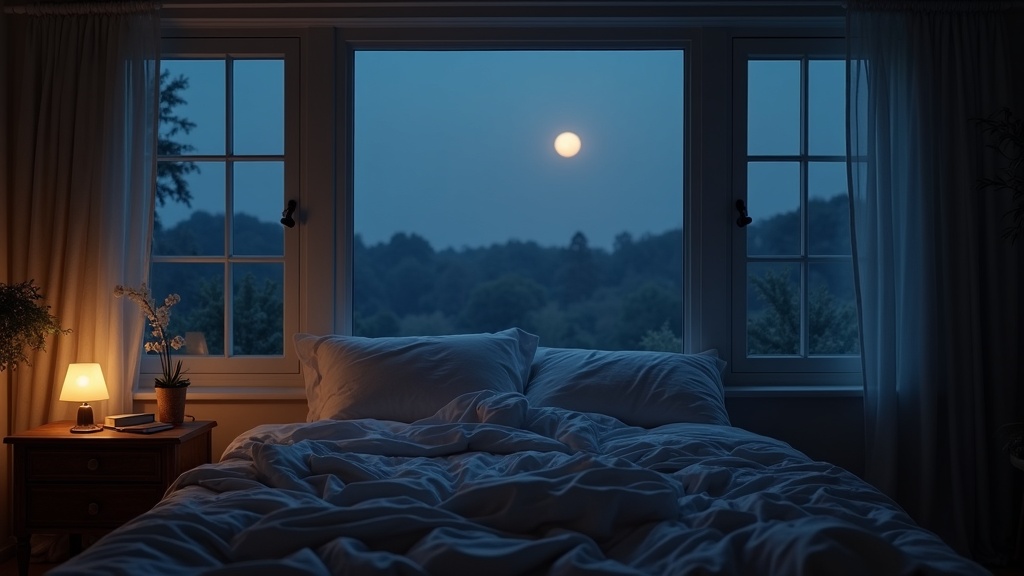
Why Getting Enough Sleep Is Really Important
I used to think sleep was just downtime for the body, but it turns out it is more involved than that. When I started paying closer attention to my sleep habits, I noticed my energy, focus, and mood were better after a few solid nights of good sleep. Sleep is when your body runs important maintenance. This includes repairing muscles, organizing your thoughts, and balancing hormones. Not sleeping enough for even a few days in a row can mess with how sharp you feel, how your body fights off colds, and even how hungry you are.
According to the Centers for Disease Control and Prevention (CDC), adults who get less than 7 hours a night are more likely to experience health problems, including weight gain, diabetes, and increased stress. Missing out on sleep is not only about being tired. Your emotional and physical health both take hits. Chronic sleep deprivation has even been linked to higher risk for heart issues and mental health struggles.
5 Effects of Not Getting Enough Sleep
Here are five things that usually happen if you start stacking up sleepless nights:
- Trouble In Thinking Clearly: Even after just one bad night, you will find your focus out the window. Making decisions gets harder, and attention span drops.
- Mood Swings: You can become more irritable and quick to become frustrated when you do not get enough sleep. Anxiety and stress also seem to spike more easily.
- Weakened Immune System: You may have noticed it is easier to catch a cold when you push bedtime too late. The body needs sleep to create certain proteins that fight infection.
- Increased Hunger: A lack of sleep can flip your hunger hormones, making your appetite stronger and leading to craving high-calorie foods. It is a recipe for unwanted weight gain.
- Reduced Physical Performance: Without enough rest, workouts feel tougher, and reaction times slow down. Muscle recovery is slower too, so you feel more sore or stiff after activity.
Harvard Medical School shares that over time, chronic sleep loss is linked to more serious conditions like high blood pressure and increased risk for diabetes (source).
How Much Sleep Is Enough?
This question pops up a lot, and I have found answers are not totally one size fits all. The general rule for adults lands between 7 and 9 hours for each night. Teens tend to need even more, about 8 to 10 hours, since their brains and bodies are changing fast. For kids, the need is greater still, especially during growth spurts.
Listening to when you feel groggy versus when you are fully recharged is an easy way to tune into what your body really needs. A smart way to check is to see how you feel waking up without an alarm on your days off. If you are still tired, you might need more sleep each night during the week.
It is also worth mentioning that sleep quality becomes just as important as sleep quantity. You might clock the right number of hours, but if you are constantly waking up or not reaching deep phases of sleep, you will not reap the real benefits. Healthy sleep means cycling through all the necessary stages—light, deep, and REM sleep—to wake up feeling truly refreshed. 
How to Improve Your Sleep
If you have ever stared at the ceiling, frustrated that you can’t sleep, you are not alone. There are actually a bunch of simple changes that can help set up better rest. I have tried several of these myself and noticed big improvements along the way. Here are some of my favorite strategies:
- Stick to a Routine: Going to bed and waking up at the same time daily helps anchor your internal clock, so you will start to feel tired at the right time naturally.
- Watch Caffeine Intake: Caffeine hangs around in the body longer than most people think. Cut off coffee by early afternoon to avoid tossing and turning at night.
- Wind Down Before Bed: Doing something relaxing, like reading or listening to calm music, helps tell your brain it is time to shut off for the night.
- Make Your Sleep Space Comfortable: The right temperature, a comfy mattress, and blackout curtains go a long way. Keep screens out of the bedroom, since blue light affects with your ability to fall asleep.
- Keep Naps Short: If I sneak in a nap, I always stay under 30 minutes. Longer naps can make falling asleep at night harder.
- Sunlight Exposure: Getting outside for 15-30 minutes of sunlight each morning helps set your body’s sleep-wake cycle. Your brain uses daylight cues to know when to feel alert and when to start winding down.
- Exercise Regularly: Being active during the day, even if it is just a brisk walk, gives a boost to your ability to fall asleep faster. However, try not to exercise right before bed, because being too energized can keep you awake.
- Limit Liquids Before Bed: I try not to drink anything much in the hour before I sleep. This helps avoid waking up at night for bathroom trips, which can break up deep sleep.
The Sleep Foundation has a lot of great tips about developing a sleep-friendly environment, so it is worth checking their site for more advice if you are struggling with sleep habits.
The 10-3-2-1-0 Rule for Sleep
In my pursuit of better sleep, I came across the 10-3-2-1-0 rule, which breaks down an easy-to-follow routine for prepping your body for rest. Here is how it works:
- 10 hours before bed: No more caffeine. For most people, that allows coffee or energy drinks to fully leave your system.
- 3 hours before bed: No heavy meals or alcohol. Your body does not have to work overtime digesting late-night snacks or drinks, making it easier to relax into sleep.
- 2 hours before bed: Take a break from work or anything stressful. I usually stop checking emails or handling big tasks so my mind gets a buffer zone from the day’s stress.
- 1 hour before bed: Step away from screens. Blue light from phones or TVs can slow melatonin production and keep you wired longer.
- 0: This stands for the number of times you should hit snooze in the morning. Getting up when your alarm rings helps reinforce your sleep-wake schedule.
I found that following this routine, even just some nights, leaves me noticeably more rested. Some people find it difficult to hit every mark, but sticking to as much of the routine as possible can still bring real results.
Common Questions About Sleep
There are a few questions about sleep that come up for just about everyone at some point. Here are some quick, straightforward answers to some of the most popular questions:
Question: What if I can’t fall asleep quickly?
Answer: Try a calming pre-bed routine, lower the lights, and take a break from your phone or computer. Sometimes simple breathing exercises or reading something light helps a lot. Also, avoid looking at the clock if you are having trouble nodding off; the pressure to fall asleep can make it even more difficult.
Question: Are sleep trackers worth using?
Answer: They are not perfect, but they help spot trends, especially if you are adjusting your routine. Just remember to use the data as a guideline and not stress about hitting certain numbers every single night.
Question: Can I “catch up” on sleep on weekends?
Answer: Catching up a little may help if you have had a short week, but regular sleep patterns work better. The body likes a steady rhythm, so sleeping extra on weekends will not completely undo not getting enough rest during the week. Aiming for consistency is the best way to keep your energy levels up.
Question: Is it helpful to use background noise or white noise?
Answer: Some people find that white noise or calming background sounds help them relax and fall asleep faster, especially if there is outside noise or city sounds that might interrupt sleep. Experiment and see what works best for you.
Final Thoughts
Sleep is one of the best ways to recharge, boost your mood, help you stay focused, and keep your body running well. Setting up good sleep habits pays off in more ways than you might expect. If you are dealing with brain fog, low energy, or grouchy mornings, improving sleep is a solid place to start. I say give it a shot. The difference is worth it!
If you want more specifics or find yourself struggling to sleep well, talking to a healthcare pro or checking out resources from organizations like the American Academy of Sleep Medicine is a solid next step.
www.wealthyaffiliate.com?a_aid=0d9cb408
Please check out the links below for additional relative information:
This was such a well-rounded guide on sleep, and I really like how you not only explained the science behind why rest matters but also gave practical, easy-to-follow tips like the 10-3-2-1-0 rule. The section on how lack of sleep affects hunger and mood especially stood out to me. It’s something I’ve definitely noticed in my own life. I also appreciate how you balanced both the quantity and quality aspects of sleep, since many people overlook the importance of deep, restorative rest. Personally, I’ve found keeping a bedtime routine makes a huge difference, but I still struggle with cutting down screen time. Do you find that the “no screens an hour before bed” habit is the hardest one for most people to stick to?
Thank you very much for the great Comments and question, Kavitha. I am appreciative that this article about the importance of sleep is helpful to you. One aspect of the importance of sleep that I believe a lot of people do not even realize is that a significant lack of sleep can really affect the immune system. More colds become more frequent along with other medical ailments. To answer your question, yes, no screens an hour before bedtime is the most difficult “prevention” because I am sure that even a lot of people go to bed and mess around with their cellphone before they turn out the light. Thank you again for your thoughtful Comments.
Best wishes,
Kent
This was such a well-rounded and practical guide to why sleep really matters. I love how you explained not just the “what” but also the “why,” especially around hormones, immunity, and mental health. The 10-3-2-1-0 rule was a standout tip—simple, memorable, and something people can realistically try right away.
It’s also refreshing that you emphasized both quantity and quality of sleep. A lot of people think hitting 8 hours is enough, but your point about cycling through all the stages really hit home.
Thank you for your great Comments, Jenny. Proper sleep restores the body’s energy, which is not just important for one’s physical health, but also for mental health. Yes, the quantity of sleep is important (at least a minimum of straight hours), but the quality of sleep is probably more important because it involves REM, which is part of deep sleep. Thank you again for your thoughtful Comments.
Best wishes,
Kent