
If you are looking for natural ways to help manage diabetes, adding some proven herbs to your daily routine can be pretty handy. And while no herb is a total replacement for medical care, some of them have caught the eye of scientists and people living with diabetes around the world. I am going to break down the five herbs that often show up in conversations about natural blood sugar support, along with tips on how to find and use them safely.
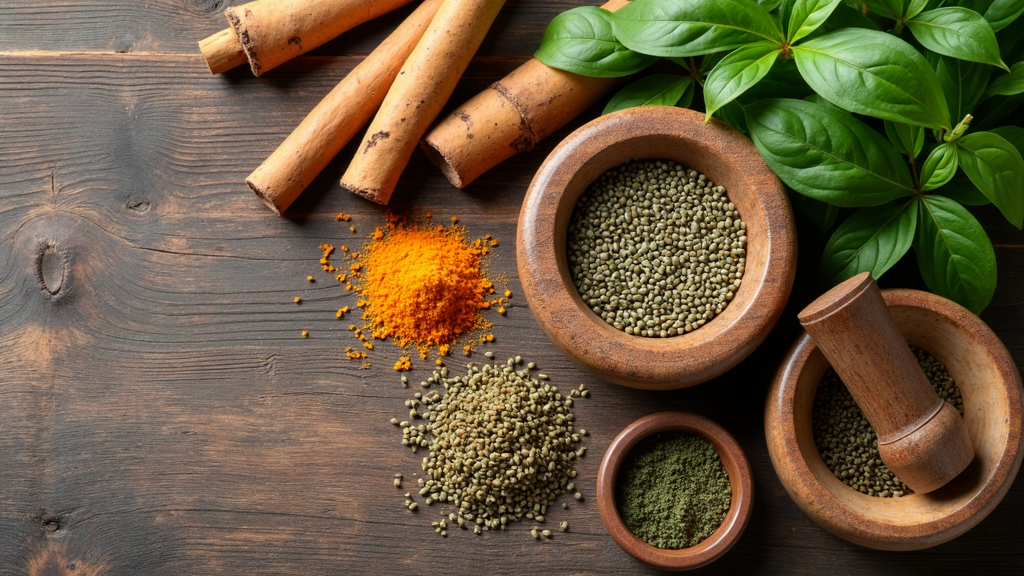
Herbs and Blood Sugar: How Natural Remedies Fit In
Herbs have been helping people manage health for thousands of years. Across many cultures, especially in places like India, China, and the Middle East, herbal medicine is part of everyday health routines. When it comes to diabetes, certain herbs may assist with blood sugar control by helping the body use insulin more efficiently or by slowing down how fast sugars hit your bloodstream after a meal.
It is always important to talk to your doctor or healthcare provider before changing your health plan or starting a new supplement. Herbs can interact with prescription medications, so being informed and monitored is really important. This list is for educational purposes and comes from my own exploration as well as reliable studies and user stories. You should always check with your healthcare team before putting a new herb into your routine, especially if you take medication.
Top 5 Herbs Known to Help Manage Diabetes
Quite a few herbs have been the subject of diabetes research, but five stand out for their strong profiles and history of use. Here’s a closer look at each herb, how it works, and tips for getting started with them. 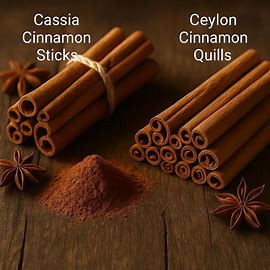
- Cinnamon (Cinnamomum verum)
-
- Cinnamon, especially Ceylon cinnamon, is easy to add to your diet. Research suggests it can help improve insulin sensitivity, and some people also notice steady post-meal blood sugar levels after having cinnamon with breakfast.
- Sprinkle it into oatmeal and coffee, but you can find capsules and teas if you don’t like the taste.
- A clinical study published in Diabetes Care found that daily doses from 1 to 6 grams reduced fasting blood sugar in people with type 2 diabetes.
- Fenugreek (Trigonella foenumgraecum)
-
- The seeds of this plant contain fiber and compounds that seem to slow carb digestion and boost the body’s own insulin production.
- Make fenugreek tea using the seeds, or you can blend them into a smoothie. Some people also cook the seeds into curries.
- A review published in Ayu suggests that fenugreek may help lower blood sugar by improving insulin function and providing dietary fiber.
- Bitter Melon (Momordica charantia)
-
- Bitter melon is popular in Asian cuisine and has a reputation for helping balance blood sugar. The fruit contains substances that act like insulin and can help cells absorb glucose from your blood.
- Sliced and fried as a veggie dish is beneficial, but you can also find capsules or teas if the taste is too strong. Try adding a small portion to stir-fries or salads to start, as its flavor can be bold.
- According to the International Journal of Environmental Research and Public Health, bitter melon may help lower fasting and post-meal blood sugar levels.
- Holy Basil (Tulsi) (Ocimum sanctum)
-
- This fragrant herb is used in Ayurveda for balancing many body systems, including blood sugar. Some studies suggest that it may support how the pancreas releases insulin.
- Grow tulsi indoors for fresh tea leaves, and you can find dried tulsi leaf or tulsi tea bags at Indian grocery stores and health shops. Fresh leaves can also be added to salads for a unique flavor.
- A clinical trial in the Journal of Ethnopharmacology found that holy basil leaves helped lower blood sugar in people with type 2 diabetes.
- Turmeric (Curcuma longa)
-
- Turmeric contains an antioxidant compound called curcumin, which research connects with reduced inflammation and improved insulin sensitivity.
- Turmeric powder works well in cooking, but you can also stir it into warm milk or try a turmeric supplement. Another great way is to blend it into smoothies for a health boost.
- According to a study in International Journal of Endocrinology and Metabolism, curcumin supplementation appeared to delay the onset of type 2 diabetes in some people at high risk.
How to Find and Use These Top 5 Herbs
Tracking down these herbs isn’t hard, especially with good options online and in stores. Here are some reliable ways to source and use them:
- Cinnamon: Look for Ceylon cinnamon sticks or powder at supermarkets, spice markets, or online shops. Avoid very cheap “cassia” cinnamon if you’ll use it daily, as Ceylon is lower in certain compounds you might want to limit. It’s also worth checking the label to ensure you’re getting pure Ceylon cinnamon.
- Fenugreek: The seeds are available at most health food stores or international groceries. Buying whole seeds and grinding them at home can keep them fresher longer. Some stores offer fenugreek capsules for convenient use.
- Bitter Melon: Asian markets almost always carry fresh bitter melon, and you can often find dried versions in health stores. Bitter melon capsules and teas are widely available online. Look for fresh produce for maximum nutrients, but dried and supplement forms can also be helpful.
- Holy Basil (Tulsi): Indian grocery shops and herbal shops will have dried tulsi leaves or tea bags. Growing your own on a windowsill is also rewarding and pretty simple. Fresh tulsi leaves have a distinct aroma and work well in teas or as a garnish.
- Turmeric: Grocery stores carry turmeric powder and, if you want extra potency, some stores and online retailers offer fresh turmeric root. Turmeric supplements are another option, but always check for quality third-party testing. You can also store fresh turmeric root in the refrigerator for long-lasting use.
Important Things to Consider Before Trying Herbal Remedies
Adding herbs to your diabetes wellness plan sounds appealing, but there are a few things I always watch for:
- Check Dosage: Effective amounts can vary widely. Some clinical trials use small amounts, while others test much more. Follow label recommendations, and check with your healthcare provider before starting something new.
- Watch for Interactions: Many herbs can interact with diabetes medications, possibly leading to low blood sugar (hypoglycemia) or affecting other medications you may be taking.
- Quality Matters: Buy your herbs from reputable brands. Look for third-party testing or certifications like USP, ConsumerLab, or NSF International for supplements, as there is always some risk of contamination or adulteration in poorly made herbal products.
- Start Slow: When introducing a new herb, begin with small amounts and watch for any side effects or changes in your blood sugar readings.
It’s smart to keep a wellness journal when you try a new herb, so you can track both your blood sugar numbers and how you feel overall. This can help you spot what’s working best for you and share useful info with your doctor.
Cinnamon: Easy to Find, but Go Slowly
Cinnamon is super easy to find, but the type you choose matters if you plan to use a lot of it. Ceylon cinnamon is milder and better for long-term use than the common Cassia cinnamon. Cassia in large doses can be rough on your liver. Use moderation to avoid any unwanted side effects.
Fenugreek: A Versatile Seed That Packs Fiber
Buying whole fenugreek seeds is simple, but grinding them fresh or soaking them overnight helps with taste and digestion. They’re a good daily addition in small amounts, like a teaspoon. Over time, you can up your intake as your taste adjusts and as recommended by your health provider.
Bitter Melon: Strong Flavor, Wide Availability
Bitter melon can be found at almost every Asian grocery and even in bigger supermarkets near the specialty produce section. If you prefer supplements, pick a reputable brand since testing and quality can vary a lot. Cooking bitter melon with onions, garlic, or tomatoes can mellow its strong flavor and make it more palatable for beginners.
Holy Basil (Tulsi): Fresh or Dried, Both Work Great
Tulsi can be used fresh or dried. Fresh leaves make great tea, and dried tulsi bags are really convenient for busy days. Growing your own plant is budget friendly and gives you steady access all year long. If you have space in your kitchen or balcony, you will always have fresh leaves within arm’s reach.
Turmeric: From Spice Rack to Supplement Shelf
Turmeric is everywhere, but a tip is to combine it with a pinch of black pepper, which helps with curcumin absorption. Drinks like golden milk or simply sprinkling turmeric into stir fries make daily use easy. Using turmeric in rice dishes, soups, or homemade salad dressings is another simple way to bring it into your meals. Some people like adding it to their daily smoothie blends for added antioxidants.
Practical Ways to Add These Herbs to Your Routine
Bringing more herbs into your day doesn’t have to be complicated. Here are some simple ideas:
- Sprinkle cinnamon on breakfast foods like oats, yogurt, or smoothies.
- Stir fenugreek into curries, soups, or steep as a tea. You can also add ground fenugreek into bread recipes.
- Cook with bitter melon by adding it to stir fries, stews, or enjoying it as a juice. Mixing it with other veggies or mild flavors can help balance its bitterness.
- Make holy basil (tulsi) tea, fresh or dried, once a day. Try combining it with lemon or ginger for a refreshing twist.
- Add turmeric to eggs, veggie dishes, or blend into warm drinks. Some people like using it in homemade dressings or as a spice rub for grilled foods.
Experimenting with new herbs is a great way to liven up your meals while trying out new flavors and health benefits at the same time. Try writing down which combinations you like most, and switch things up regularly so you don’t get bored.
Frequently Asked Questions
People often ask these questions about herbs and diabetes management:
Can I use herbs instead of medication?
Herbs are meant to be supportive tools, not replacements for prescribed medicine. Always keep your healthcare provider in the loop and encourage others to do the same.
How soon will I see results?
Some people notice an effect within a week or two, while for others it is more gradual. Consistency and patience are key with herbal remedies, and checking your blood sugar regularly will show you what is actually working. Keep a daily log so you can notice trends faster.
Do these herbs have side effects?
Most people handle these herbs fine in small amounts, but too much can cause stomach upset or interact with medicines. Always start with small doses and watch your body’s response.
Where’s the best place to buy safe herbs?
Health food stores, international markets, and reputable online retailers are the most common. I always read reviews and check for third-party testing before picking supplements.
Final Thoughts
Adding herbs like cinnamon, fenugreek, bitter melon, holy basil, and turmeric can bring another layer of support and flavor to diabetes care. Staying informed, checking with your healthcare provider, and starting slowly are all really important steps. Whether you pick up these herbs at a local shop or grow them at home, they are easy to integrate into your daily routine, offering you more options to manage health naturally.
Exploring traditional remedies alongside modern medicine gives you lots of ways to take control of your wellness. It’s all about balance and finding what fits your lifestyle best. Step by step, you can add more variety and support to your diabetes management with just a few tweaks—and flavorful herbs.
https://www.wealthyaffiliate.com?a_aid=0d9cb408
Please check out the links below for additional relative information:
What a well-researched and approachable guide for anyone exploring natural ways to support diabetes management! I especially appreciated the breakdown of each herb’s benefits like how bitter melon mimics insulin and may help lower post-meal blood sugar levels. That’s such a powerful insight, especially for those trying to minimize spikes without relying solely on medication this really helpful to someone like me. The practical tips, like cooking bitter melon with garlic and tomatoes to mellow its taste, make it much less intimidating for first-timers. I also love the reminder about pairing turmeric with black pepper to enhance absorption something many people don’t realize but makes a huge difference in effectiveness. Would adding multiple herbs together in small amounts be just as beneficial, or should they be tried one at a time to monitor their effects?
Thank you, Ravin, for your comments. To answer your question about whether it is beneficial in adding small amounts of multiple herbs together or trying herbs one at a time, I feel that it would be easier on a body’s system to use an herb one at a time. Some side effects could occur with consuming multiple herbs. Anyway, trying an herb one at a time will be easier to monitor. But checking with a health professional is also highly advised. Thank you again for your comments.
Best wishes,
Kent
The article’s most crucial and commendable aspect is the explicit and repeated disclaimer that these herbs are not a replacement for medical care. This is an essential and responsible message when discussing health-related topics and helps to guide readers toward safe practices.
While the article mentions that these herbs have shown promise in “research,” it would be more impactful to cite specific studies or provide more detailed information about the dosages used in trials. For example, what amount of cinnamon extract was found to be effective? Without this context, the advice remains general and less actionable for a reader who might want to investigate further.
Thank you for your Comment, Sean. Sometimes it seems when writing an article, one seems to be quite generalized. Thank you for the advise to correct that. Yes, it is very crucial to enable a reader to want to investigate my info further and take action. Thank you again.
Best wishes,
Kent