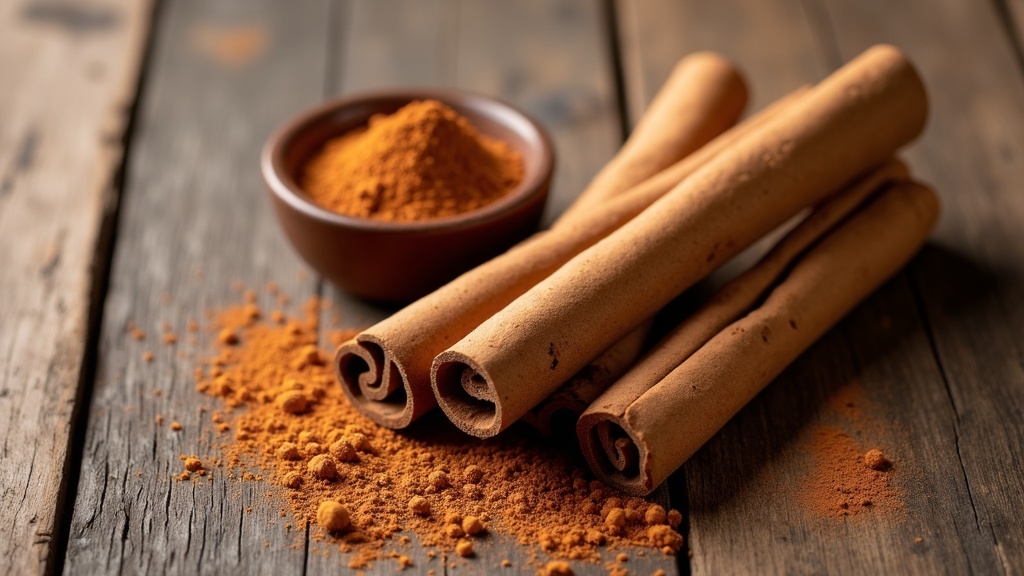
Cinnamon is not just tasty sprinkled on your oatmeal or coffee; it turns out this common spice could have some real perks when it comes to managing blood sugar. A lot of people are curious about natural options for blood sugar support, and cinnamon is always on the list. There is plenty of chatter about how cinnamon might help with blood sugar, how it compares to medications like Metformin, and how fast you might notice results. With all that in mind, I am going to break down what cinnamon actually does, how to use it, and some important things to consider.
The Science Behind Cinnamon and Blood Sugar Control
There has been a growing buzz about cinnamon’s potential for helping with blood sugar balance. Some studies suggest that certain compounds in cinnamon can help boost how well your body responds to insulin, which is the hormone in charge of keeping blood sugar levels in check. When your cells are sensitive to insulin, glucose moves more easily from your blood into your cells for energy. For people with insulin resistance or type 2 diabetes, anything that can help this process can be pretty handy.
The main types of cinnamon used in these studies are Ceylon (“true” cinnamon) and cassia. Both contain polyphenols and a compound called cinnamaldehyde, which seems to play a big role in these possible benefits. According to research published in journals like Diabetes Care, cinnamon might help lower fasting blood sugar, especially if used over several weeks. However, not every study agrees, and results can look different from person to person.
Many researchers say more studies are needed, but for folks aiming for blood sugar stability, cinnamon is on the radar as a natural support. Some nutritionists point out that while cinnamon can give a boost, it works best when combined with other smart habits like a balanced diet and regular exercise. It is also useful to note that cinnamon used in cooking or baking may not have the same impact as concentrated forms or extracts, so it is important to manage expectations and track progress over time.
How to Use Cinnamon to Help Manage Blood Sugar
Using cinnamon in your daily routine is not complicated, but some tips can make it more effective. Most of the studies use somewhere between 1 and 6 grams of cinnamon per day. That is about half a teaspoon to a full teaspoon, depending on the type and form of cinnamon you use.
You can try mixing ground cinnamon into smoothies, yogurt, coffee, or oatmeal. Some people prefer cinnamon tea, which is basically a stick steeped in hot water. There are also cinnamon capsules and extracts if you would rather not deal with the taste. For those who bake, substituting cinnamon in place of sugar or high-calorie toppings can cut sugar intake while still adding flavor.
If you are thinking about using a supplement, checking the label for type (Ceylon is lower in coumarin, a substance that can be harmful in high doses), and talking with a healthcare professional about dosage and safety is really important, especially if you already take medication for diabetes. Mixing or overdosing could cause interactions or bring blood sugar down too low, which is not safe. Watching for signs of low blood sugar like shakiness, dizziness, or sweating is helpful if you are ramping up your cinnamon intake.
- Ground cinnamon: Sprinkle on food or stir into drinks.
- Cinnamon stick tea: 1-2 sticks simmered in water for 10 minutes makes for a cozy drink.
- Capsules: Look for products labeled with their cinnamon source (Ceylon or cassia), and follow dosing instructions.
Consistency is important; using cinnamon every day gives the best shot at potential benefits rather than just once in a while. More than one form of cinnamon—such as capsules and tea—can be part of your routine, but always stay mindful of total daily intake. Variety in how you use cinnamon makes it easier to keep up the habit over time.
Cinnamon vs. Metformin: How Do They Compare?
People often want to know if cinnamon can do the same job as Metformin, which is a common medication for type 2 diabetes. Metformin works by lowering sugar produced by the liver and improving how your body uses insulin. It is a well-researched prescription drug with proven benefits for blood sugar management, and it is often the first thing doctors recommend for newly diagnosed type 2 diabetes.
Cinnamon, on the other hand, is a natural food that may support blood sugar balance, but it does not work the same way as Metformin. Most health experts and bodies like the CDC point out that cinnamon should not be seen as a replacement for prescription medications. Instead, it might work alongside other healthy habits (like diet and exercise) for people with blood sugar concerns. If you are already on Metformin or any other diabetes medication, always check with your doctor before adding cinnamon supplements to the mix, since combined effects could sometimes drop blood sugar lower than expected.
In short, cinnamon is not a stand-in for Metformin. It might give an extra push to overall blood sugar management, but it cannot match the consistent effects of a prescription drug meant for diabetes. Think of it as one tool in the toolbox, not the entire solution. If you ever have questions about changing your diabetes regimen, it is wise to ask a licensed healthcare professional.
How Long Does It Take for Cinnamon to Affect Blood Sugar?
Results with cinnamon are not usually instant. Most of the research shows that regular use—meaning every day, over a few weeks—is needed to notice any changes. In studies, some people noticed improvements in their fasting blood sugar within 4 to 12 weeks, but again, results can really vary.
There are a lot of factors at play, including how your body responds, what type of cinnamon you are using, the dose, and what else you are doing to manage your health. Cinnamon is more of a long-game addition to your routine, not a quick fix.
If you are checking blood sugar at home, you may want to track your values over about a month to watch for steady changes, rather than looking for a dip right after your first dose. It can be helpful to keep a simple food and blood sugar diary to spot trends and share them with your doctor. Understanding the bigger pattern in your numbers over several weeks will give a clearer idea of how cinnamon is working alongside other changes in your routine.
Important Things to Know Before Using Cinnamon for Blood Sugar
While cinnamon is natural and generally safe for most people, there are still a few things that matter for your safety. High doses (especially of cassia cinnamon) contain coumarin, which can be harsh on your liver if you have too much over time. Ceylon cinnamon has less coumarin, so that is usually recommended for daily use, especially if you are upping your intake for health reasons.
If you are already taking medication to lower your blood sugar, adding a lot of cinnamon could cause your readings to dip lower than you want. Same for anyone with liver issues—talk with your doctor before starting heavy cinnamon use or any supplement, really. Pregnant or breastfeeding folks should use caution too, since not all effects are fully understood for these groups.
- Stick with food amounts unless your healthcare provider gives a green light for more.
- Pick Ceylon cinnamon if you plan on using it often.
- Watch for symptoms of low blood sugar (like shakiness or lightheadedness), especially if you are on medication for diabetes.
Cinnamon does not fix unhealthy patterns on its own. Diet, exercise, good sleep, and following your healthcare team’s advice are still really important. If you have allergies or sensitivities to spices, consider testing a small amount of cinnamon first to see how your body reacts. Also, keep in mind that cinnamon flavorings in processed foods rarely have the health-boosting compounds found in real ground cinnamon. 
Choosing the Right Type of Cinnamon
Finding Ceylon cinnamon might take a little extra effort, since most grocery store containers are cassia cinnamon (sometimes called “Saigon,” “Korintje,” or just “cinnamon”). Ceylon is softer and lighter in color, with a sweeter, subtler taste. If you plan to use a lot of cinnamon, checking the label and ordering from a reputable supplier is worth it. Reading reviews or checking company background online can help you track down high-quality sources. You can also try natural food stores or markets that focus on organic and specialty goods.
Pairing Cinnamon with Other Lifestyle Habits
No single food or spice will control blood sugar by itself, but cinnamon can be a tasty part of a bigger picture. Combining cinnamon with a diet high in fiber, lean protein, and healthy fats, along with regular movement, can all work together to support healthy blood sugar numbers. Managing stress and getting enough sleep also help keep your hormones balanced, which has a direct impact on blood sugar control.
It is also useful to work with a registered dietitian or certified diabetes educator. These professionals can help you create a meal plan that includes cinnamon and other beneficial foods, based on your personal tastes and needs.
Frequently Asked Questions (FAQ)
Q: How do I use cinnamon for the biggest effect on blood sugar?
Adding half to one teaspoon of ground cinnamon into your daily food or drink is a common way. You can also try cinnamon supplements or tea, but always check with a healthcare pro before using anything beyond everyday food quantities, especially if you are using medication.
Q: Can cinnamon work as well as Metformin?
No, cinnamon is not meant to replace Metformin or other diabetes drugs. It might offer some support for blood sugar, but it does not work as reliably or predictably as prescription medication. Always use it as an add-on, not a swap, unless your doctor advises differently.
Q: How quickly does cinnamon affect blood sugar?
Cinnamon typically needs to be taken daily for several weeks to potentially see a change in blood sugar levels, usually between 4 and 12 weeks. Keep in mind, your results may not match those in studies, and regular tracking helps you see your own trends.
Q: Isn’t cinnamon dangerous in high doses?
Cassia cinnamon in large amounts can be risky for the liver due to higher coumarin content. Using Ceylon cinnamon is a better choice for regular use. Stick to amounts you would eat in food unless your doctor gives a different plan.
Wrapping Up
Cinnamon brings warm flavor to all kinds of food, and science shows there could be some perks when it comes to blood sugar, especially when used daily and paired with other healthy choices. While it is not a stand-in for medications like Metformin, a sprinkle a day can easily fit into a balanced lifestyle for those looking to support blood sugar naturally. Staying consistent, choosing the right type, and working with health professionals will set you up for the best results on your health adventure.
https://www.wealthyaffiliate.com?a_aid=0d9cb408
Please check out the links below for additional relevant information:
This was a fantastic deep dive, clear, practical, and incredibly well-balanced. I really appreciated how you explained both the promise and the limitations of cinnamon when it comes to blood sugar control. The breakdown between cassia and Ceylon, and the caution about coumarin levels, was especially helpful, it’s something a lot of people overlook when adding cinnamon to their daily routine.
Your comparison with Metformin was spot-on, too. It’s refreshing to see natural remedies discussed without over-hyping them but still showing how they can play a meaningful role alongside healthy habits. I’ll definitely be more intentional about how I use cinnamon now, especially the idea of tracking trends over time instead of expecting immediate results.
Thank you for your Comments, Wayne. One reason I decided to write this post about cinnamon is that I feel a lot of people take cinnamon for granted. I am sure there are many people who do not realize the significant difference between helpful benefits of comparing cassia and Ceylon cinnamon, let alone knowing there was different types of cinnamon. But cinnamon when taken properly can be a very beneficial aid in managing one’s blood sugar levels. Thanks again for your input, Wayne.
Best wishes,
Kent
I really liked how you broke this down — especially the distinction between Ceylon and cassia cinnamon. That detail about coumarin and liver health is something I don’t see mentioned often in more casual articles, so it really added credibility here.
The comparison to Metformin was also helpful — it sets realistic expectations for anyone who might be hoping cinnamon is a “quick fix,” while still showing how it can fit into a broader healthy lifestyle.
I noticed you’ve also written about low-sugar fruits and low-carb diets for diabetics. Do you think combining cinnamon with those food choices makes its effects more noticeable over time?
Thank you for your Comments and question, Kris. One reason I wrote this post about cinnamon is that it is evident that many people prefer “natural” supplements to their managing of blood sugar and diabetes. Many studies have shown that about 1 gram to 6 grams (half teaspoon to full heaping teaspoon) of cinnamon (depending on type and form) can be very beneficial and significant in the long haul. Also, cinnamon provides a “tasty” method of managing diabetes. And yes, low-sugar fruits and low-carb diets should be implemented in a diabetic’s menus. Always consult your medical doctor or diabetes professional about all of these foods. Thank you again, Kris.
Best wishes,
Kent
Hi there –
Whether you are a health-conscious person, borderline prediabetic, or have diabetes, controlling blood sugar is a concern. As the article states, there is science that suggests cinnamon can help lower blood sugar levels. Solely relying on spice is not wise; rather, use it in addition to prescribed medication.
Additionally, I appreciate how you cautioned people that cassia cinnamon contains high levels of coumarin, which can harm the liver. Improving your health is key; opt for Ceylon and consult a doctor if necessary.
Cheers,
G
Thank you for your Comments, Godwin. My intent for this article about cinnamon was to bring out the fact that cinnamon is one of the many possible “natural” remedies for managing diabetes. For this article about cinnamon, I was stating that you generally need to be careful with certain “types” of cinnamon. And yes, you are correct that it is always imperative to consult a doctor when necessary. Thank you again for your Comments.
Best wishes,
Kent