Getting a diabetes diagnosis brings a lot more than just a new medical label. I remember the day I learned I had diabetes; my mind raced through a hundred questions, and it felt like my life had suddenly split into “before” and “after.” The emotional side of this news shapes everything from daily routines to relationships and mental health. If you are new to this, or if someone close to you was just diagnosed, understanding these feelings and how diabetes touches life on so many levels can be extremely helpful.
How Diabetes Changes Your Everyday Life
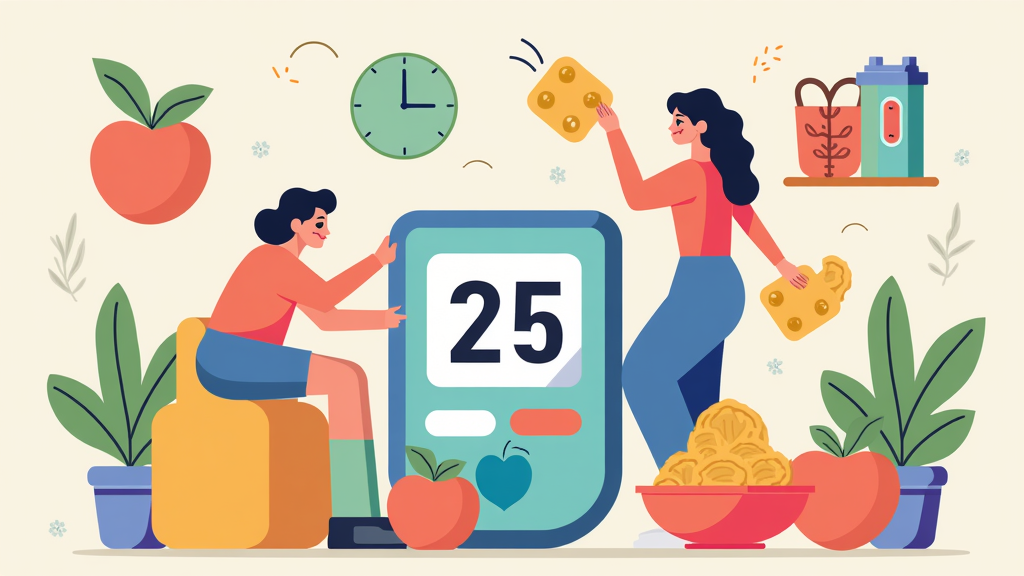
Diabetes is not just about watching what you eat or taking medicine. It impacts nearly every part of your daily routine. Meals need planning, snacks become more than just a treat, and spontaneous activities often call for extra preparation. Always think twice about where you are going, whether you will have access to the food you need, and if you have your supplies and emergency snacks with you.
This routine can feel overwhelming, especially in the beginning. Here is how diabetes shows up in daily life on a practical level:
- Meal Planning: Deciding what, when, and how much to eat takes up energy you are never used to spend. Even eating out with friends sometimes means checking menus and doing some quick math.
- Monitoring: Checking blood sugars becomes as regular as checking your phone. These readings are not just numbers. They shape how you feel physically and emotionally, especially if they are outside your target range.
- Physical Activity: Exercise is encouraged, but it is not as simple as just moving more. Plan for snacks, check blood sugar before and after, and pay attention to how your body feels with every workout.
- Social Life: You sometimes have to explain to people why you need to eat during a meeting or skip certain foods. These moments show you how much diabetes weaves into each part of your social life.
With practice, these routines can fade into the background, but the early months feel like diabetes is at the front of your mind all the time. Eventually, things do get easier as habits set in and confidence grows. Including family or friends in your planning can make adaptation smoother and boost your support network, too.
Mental and Emotional Reactions to a Diagnosis
The emotional response is not just about the diagnosis. It is about switching up your sense of control and figuring out what your “new normal” would look like.
- Shock and Denial: Sometimes it is hard to believe the diagnosis at first. I know people who double-checked their tests or searched for other answers, hoping it was not real.
- Anger and Frustration: Feeling like it is unfair or annoyed over all the changes can be common. It might be directed at yourself, your body, or even fate.
- Anxiety and Worry: There is worry about long-term complications and about messing up one day and having a scary low or high blood sugar. The “what ifs” can stack up quickly, especially in the first few weeks.
- Sadness or Grief: A sense of loss for the carefree way things used to be is not unusual. It is totally okay to grieve the “old” lifestyle.
- Acceptance and Growth: Over time, many people move toward acceptance. You eventually can start seeing diabetes management as a skill you could build, and can make life less stressful.
Not everyone goes through these emotions in the same order or with the same intensity, but these feelings are all normal. If emotions keep you from living life or just seem too heavy, reaching out to friends, family, or a counselor can make a real difference. 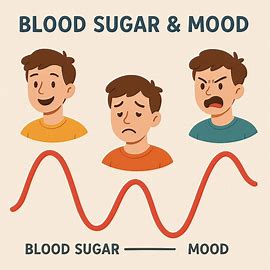
How Blood Sugar Fluctuations Affect Your Moods
One of the wildest things I learned early on is how much blood sugar levels can mess with mood and emotions. It is not just a physical experience. The brain gets involved, too.
- Low Blood Sugar (Hypoglycemia): If blood sugar drops, you might feel shaky or sweaty and quickly become irritable or anxious. Confusion or sudden anger can appear out of nowhere.
- High Blood Sugar (Hyperglycemia): Highs usually make you feel sluggish, super thirsty, or cranky. Sometimes it is just a general sense of “blah” or brain fog that is tough to shake.
- Rapid Swings: Fast changes from high to low, or the other way around, can leave you mentally and emotionally drained. Your patience may wear thin, and you may feel more on edge than you want to.
Research backs up these experiences. A study published in Frontiers in Psychology discusses how mood and overall quality of life are linked to glycemic variability, and even small swings can make you irritable or sad. Getting to know how your body and mind react to different blood sugar levels makes it easier to spot patterns and know when to just treat your blood sugar, not your mood.
Emotional Stress and Its Effects on Diabetes
Stress does not just feel bad. It directly impacts blood sugar. I quickly noticed that when I am stressed—whether it is job pressure or the demands of diabetes itself—my blood sugar tends to go higher. Sometimes, trying to keep numbers “perfect” creates its own mental strain, making diabetes management feel heavier than it needs to be.
Some strategies that help break this cycle include:
- Practicing relaxation techniques like deep breathing, mindfulness, or even gentle yoga regularly
- Exercise, which helps regulate blood sugar and ease stress at the same time
- Sharing experiences with other people living with diabetes. Sometimes just talking about it can lift the mental fog
- Spending time on hobbies, favorite shows, or creative outlets to unwind
If anxiety, depression, or constant worry are showing up more days than not, getting professional support is a good step. Mental health matters just as much as your physical health—especially with diabetes.
Tips for Managing the Emotional Side of Diabetes
There are a few approaches that really help with the emotional side of diabetes:
- Learn about diabetes, but pace yourself to avoid research overload. Knowledge can take the fear out of the unknown. Still, it is important to strike a balance.
- Find a support network, whether it is in-person, online, or both. Knowing there are others who “get it” can lift you up on tougher days.
- Include friends and family in your diabetes adventure so you are not carrying the mental load alone. Sometimes they do not know how to help until you let them in.
- Give yourself grace on hard days; progress is more important than perfection.
- If you are struggling with emotions such as depression or anxiety, reach out to a diabetes educator or a mental health pro with experience in diabetes. These feelings are common, and help really is out there.
- Set small goals and celebrate wins, even the tiny ones, to stay encouraged!
Adding healthy habits beyond diabetes care, like getting enough sleep or journaling your feelings, can help your overall well-being and mood, too. Remember, physical health and emotional health are tightly linked.
Practical FAQs: Emotional Health and Diabetes
Here are some of the most common questions from people dealing with the emotional side of diabetes:
How long does it take to feel “normal” again after a diabetes diagnosis?
Everybody adjusts at their own pace. For me, it took a few months before things felt easier. Building routines and support, and being patient with yourself, usually make the adjustment smoother over time.
Can diabetes cause depression or anxiety?
Yes, people with diabetes are more likely to face depression or anxiety. Both biological changes and the ongoing emotional work of diabetes management can play a role. If you notice lasting sadness, worry, or lose interest in activities you used to like, it is time to check in with your provider or diabetes care team.
Does stress directly impact my blood sugar?
Yes, it does. Stress hormones make blood sugar rise, so managing stress and your emotional health is important for staying on top of glucose control. Tracking stress along with your numbers might reveal useful patterns or triggers for your blood sugar swings.
How can I tell if my mood swings are due to blood sugar?
This can take some trial and error. Many people find that sudden mood changes with physical symptoms (like shakiness, sweating, or hunger) mean low blood sugar, while highs often bring on thirst and brain fog. Checking your blood sugar during those moments can help you sort out what is really going on.
What if friends or family do not understand my emotional ups and downs?
Sometimes loved ones simply do not get it until you let them in. Having open conversations and sharing resources about diabetes and emotions can help bridge the gap. Let them know what kind of support helps you most—sometimes just being understood can lighten the load.
Finding Hope and Balance
Living with diabetes brings challenges, but it also opens up ways to tune into your body and emotional health in ways you may not have expected. While the emotional weight of a diagnosis can feel heavy at first, things usually get better with practice, self-kindness, and support. Building routines, tracking how blood sugar shapes your mood, and reaching out for help all make a difference in day-to-day life. If you are on this path, remember that every step—forward or back—is part of adapting to life with diabetes, and there is a whole community behind you that understands what you are feeling.
https://www.wealthyaffiliate.com?a_aid=0d9cb408
Please check out the links below for additional relevant information;
Hi Kent,
Thank you so much for this beautifully written and deeply empathetic piece. It really struck a chord with me.
Diabetes runs through my family—my mum and best friend are both living with type 2, and my brother, uncle, and late father all have or had type 1. So far, I’ve managed to avoid a diagnosis myself, but I’ve seen firsthand the emotional, physical, and practical toll it can take.
Just this week, during the UK’s heatwave, my brother (who is type 1) was hospitalised after a severe drop in blood sugar. It was frightening, and it brought home yet again how relentless and sensitive diabetes management can be, especially when conditions like weather sneak in as unpredictable variables.
Your article reminded me how vital it is to speak openly about the emotional side of diabetes—not just the numbers, but the anxiety, frustration, and weight of it all. It’s comforting to read something that acknowledges how much headspace and heartspace it demands, and I know so many people will find reassurance and clarity here.
Thank you again for this piece and for highlighting the strength it takes to live well with diabetes. It matters.
Warm wishes,
Cherie
Thank you for your Comment, Cherie. My prayers are with your family and your best friend who have some form of Diabetes. I truly believe it is very important to be open about managing Diabetes, especially with loved ones and your medical professionals. I have Type 2 Diabetes and I take Glipizide and Januvia, but I occasionally get “hot spells” because my blood sugar levels have changed. It does require a strength to manage Diabetes, but it can be done. Thank you again for your Comment.
Best wishes,
Kent
“Thanks for sharing this FAQ — it covers some really important emotional aspects of diabetes that people often overlook. I’d just add a couple of clarifications: not everyone adjusts in just a few months (for some it can take much longer), and while diabetes does increase the risk of depression and anxiety, it doesn’t cause it in everyone. Stress does affect blood sugar, but sometimes indirectly through eating or sleep changes. Overall though, I think this is a helpful and supportive resource.”
Thank you for your Comments, Keith. Yes, diabetes affects people in many different ways and everyone doesn’t adjust to it in just a few months. My article was intended to demonstrate that loved ones, such as friends and family, can be very helpful in a diabetic’s situation. By giving loving support and just listening to the diabetic’s needs can be very beneficial. Thank you again for your thoughtful Comments.
Best wishes,
Kent
I have seen the effects diabetes has had on my grandma, concerning her mood swings. Now reading your article has enabled me to take her point of view and be more empathetic with her. She’s go through a lot and the diabetes diagnosis is just the cherry on top. Before reading your article, I could not relate to her in many everyday life situations. Thank you very much!
Thank you for your heart-warming Comment, Paolo. I am so sorry that your grandma suffers from diabetes, but I feel my article has helped you to be more compassionate with her. Keep on giving her loving support and it will be ok. Thank you again for your response.
Best wishes,
Kent