
Living with diabetes brings together healthy routines, careful blood sugar monitoring, and lifestyle changes. Still, stress often sneaks in as an unwanted guest. Stress can really throw off blood sugar levels and make diabetes harder to manage. Here, I will be sharing practical tips for diabetes stress management, breaking down how stress affects diabetes, what you can do about it, and how to handle the anxiety that often tags along.

How Does Stress Affect Diabetes?
Stress triggers a chain reaction in your body, setting off hormones such as cortisol and adrenaline. If you have diabetes, this can cause blood sugar to swing up or down in unpredictable ways. In my experience, when stressful moments show up, my numbers get out of balance fast, even if I stick to normal habits and exercise.
The main reason is stress hormones tell your liver to release more glucose and can make your body less sensitive to insulin. If you are feeling frazzled, you might skip meals, grab comfort foods, or stay up late; all these things can make it harder to keep blood glucose levels steady.
Dealing with stress for a long time can disrupt sleep, drain motivation, and zap the energy you need for self-care. Over months or years, the weight of this stress can raise your risk of complications from diabetes.
Recognizing Stress and Its Symptoms
Sometimes, you may not notice stress until you are irritable, fatigued, or your blood sugar readings are stubbornly high or low. It is pretty common for stress to show up in subtle ways. Some signs include:
- trouble sleeping or staying asleep
- feeling overloaded, anxious, or sad
- problems with focus or memory
- muscle tension, headaches, or an upset stomach
- not enjoying things you normally like
If these seem familiar, it is a good idea to check in with yourself about what is adding to your load. Stress can look different for everyone, but these clues might help you figure out when to step in and try some stress reducers.
Does Stress Raise A1C?
The A1C test measures average blood sugar over the past two or three months. So, does stress push that number up? Studies show ongoing stress often leads to higher A1C. When you have been pressured by work deadlines or family tension, it probably has been harder to stick to healthy habits, sometimes making your next A1C a bit higher.
It is not one rough day that matters, but months of unmanaged stress. High stress over time can nudge blood sugar higher on average, which pushes A1C upward. So, building stress relief into your care plan does not just help your mind; it is a big part of diabetes management, too.
Managing Stress as a Diabetic: Practical Tips That Help
You can not avoid all stress, but you can learn strategies to deal with it. Here are approaches that really help:
- Build a steady routine: Having regular times for meals, exercise, and checking blood sugar helps you feel more in control during busy times.
- Prioritize sleep: Getting good rest keeps your stress in check. A consistent bedtime, even on weekends, really makes a difference.
- Move your body: Physical activities like walking, swimming, or yoga are great for burning off nervous energy and stabilizing blood sugar. Even a short evening walk should leave you feeling relaxed.
- Practice mindfulness: Spending five or ten minutes focusing on breathing or listening to a calming app helps reset your body. Even if mindfulness feels tricky, a short pause can make a noticeable difference.
- Talk it out: Sharing what you are experiencing—with a friend, a diabetes support group, or a counselor—brings real relief. Just chatting can change everything.
- Write it down: Journaling helps you spot patterns between moods and blood sugar. This gives you better insight into what stresses you out.
- Break things up: If something feels overwhelming, break it down into steps and tackle one at a time. Little wins help ease your stress in a big way.
It also helps to make a quick list of activities you find relaxing—reading, gardening, listening to music, or spending a few minutes outside work wonders. 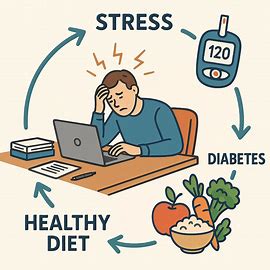
Things To Watch For: How Diabetes and Stress Feed Each Other
Diabetes and stress seem to feed off each other, and noticing this cycle is key to breaking it. Here are some examples and how to deal with them:
- Discouraging blood sugar swings: When blood sugar jumps around for no obvious reason, it can be discouraging. I remind myself that stress is often to blame and focus on a calming activity before making changes to my diabetes plan.
- Diabetes burnout happens: Managing diabetes every day can be exhausting. When you are tired, stress increases and your self-care may slip. If you spot this, trim tasks where you can and lean on your care team or a support buddy.
- Perfection should not be the goal: Aim for “good enough” instead of perfect. Each small win counts and keeps you moving forward.
- Notice unhealthy patterns: Stress can sometimes tempt you toward junk food, skipping exercise, or pushing off self-care. If you catch this, try nudging yourself to do just one healthy thing, like drinking water or stretching.
Physical Symptoms Linked to Stress
Aches, headaches, and random tiredness show up when stress builds. If you notice a pattern, use that as an early signal to act. Staying hydrated, stretching, and listening to your body makes a difference here.
Adjusting Your Diabetes Plan During Stressful Times
When things get especially hectic, do not hesitate to change up your diabetes routine. I have checked in with my doctor about short-term tweaks—extra glucose checks, changing meal times, or swapping in gentle exercise—when the pressure is on. Reaching out for advice is always a solid move when you feel stretched thin.
How To Manage Diabetes Anxiety
Diabetes anxiety can really sneak up, especially when blood sugar readings are unpredictable. Here is what can help you deal with that issue:
- Focus on what you can control: Stick to the routines that help your blood sugar. Predictable meals and some movement most days help keep worries in check.
- Question negative thinking: Keep telling yourself that one off number is not failure—it is just a moment.
- Keep goals realistic: Perfection is not possible. Small changes count and add up over time.
- Connect with pros: Therapists and counselors who know about diabetes can give real tools for handling anxiety. CBT and mindfulness-focused therapies work well for many.
- Build community: Online or in-person diabetes communities have people who really understand. Swapping stories and tips is a real mood booster and reminds you are not alone.
Popular Activities For Calming Your Nerves
Adding short, calming activities to your day can help break up stress. Here are a few you might try:
- listening to soothing music or soft nature sounds
- gentle yoga flows or stretching
- caring for a plant or relaxing in the garden
- creative hobbies like drawing, crafts, or jotting down thoughts
- lighting an unscented candle or sipping on herbal tea
Tiny moments of calm—even if it is just a few minutes—can keep stress from building up.
Frequently Asked Questions
Here are some common questions that pop up while figuring out how to manage both diabetes and stress:
Question: How can I lower stress quickly if my blood sugar is high?
Answer: A series of deep breaths, a short walk, or a moment outside can help you settle down, which also helps nudge your blood sugar back to a better range.
Question: Are there foods or drinks that help lower stress for diabetics?
Answer: There is not a magic fix, but balanced meals with fiber, protein, and healthy fats help you feel more stable. Herbal teas, almonds, or carrot sticks can give steady energy without spiking blood sugar.
Question: When should I check in with a professional?
Answer: If anxiety or stress takes over your day or stops you from doing what you need, talk with a mental health pro, diabetes educator, or your doctor. Real support is out there and you do not need to do it all alone.
Wrapping Up
Managing stress with diabetes takes practice and real patience, but the small steps you build into your daily life can make everything feel easier. Be flexible, reach out, and focus on small acts of self-care. The more you use these techniques, the more you will stumble upon what genuinely helps you—no matter what surprises each day brings.
www.wealthyaffiliate.com?a_aid=0d9cb408
Please check out the links below for additional relevant information:
This is such an important reminder of how deeply stress and diabetes are connected. I really appreciate how you explained not just the science behind stress hormones, but also the everyday realities—like skipped meals, late nights, or diabetes burnout—that can quietly throw everything off. The practical tips, especially journaling to spot patterns and aiming for “good enough” instead of perfection, feel really empowering.
One thing I’m curious about: when stress hits suddenly (like during a work conflict or family emergency), do you find quick calming techniques—like breathing exercises—make a noticeable difference in blood sugar control, or is the impact more gradual over time?
Thank you for your thoughtful Comments, Jenny. I am glad this post about managing one’s stress and anxiety associated with diabetes was such a reminder for you. This post was part of my series on the emotional impacts of stress when diagnosed with diabetes. One thing I have discovered about the management of stress relating to diabetes is to communicate with loved ones, such as family and friends. Of course, any health support groups are very beneficial regarding this issue, too. And to answer your question, Yes, quick-calming techniques are highly recommended, such as a slow breathing exercise. Once my own doctor told me that in this kind of situation, the most important thing was to get the victim relaxed. Thank you again for your Comments.
Best wishes,
Kent
Managing diabetes is already a full-time job, and adding stress into the mix can feel overwhelming. That’s why the section on “Managing Stress as a Diabetic: Practical Tips That Help” really stood out to me. It’s empowering to know that something as simple as a short walk, journaling, or even better sleep can have a measurable impact not just on your mood but also on your blood sugar levels. The advice to aim for “good enough” rather than perfection is a gentle reminder that self-compassion is just as important as glucose tracking. Are there specific types of mindfulness apps that are best for people managing chronic conditions like diabetes?
Thank you for your Comments, Ravin. Adding stress to diabetes management can be very overwhelming to many people. Calm and Headspace offer guided meditations and sleep aids to help in managing anxiety and stress associated with chronic conditions like diabetes. Smile provides content and workshops that are tailored for chronic illnesses. Dwell Diabetes offers mindfulness resources solely for the content of diabetes management. Thank you again for your Comments.
Best wishes,
Kent