Getting your protein choices right can really help keep blood sugar steady. If you live with diabetes or struggle with blood sugar swings, picking the right protein foods is one of the smarter ways to support your health. There are plenty of options out there, so in this article, I am going to break down the best types of protein for blood sugar control, share how much you might need each day, and answer some of the most common questions that come up about protein and blood sugar management.
Why Protein Matters for Blood Sugar
When you eat a meal with plenty of protein, it slows down how quickly your body absorbs sugar from carbs. This means your blood sugar rises more gently, instead of spiking up and crashing down. That steadying effect is really helpful if you are managing diabetes or insulin resistance, and it works for anyone looking to avoid those energy crashes.
Protein does not just steady your blood sugar in the moment. It also helps you feel full longer and supports muscle health, which in turn makes it easier to be active and manage weight. Because of this, most diabetes meal plans suggest including some protein at each meal and snack.
The Best Protein Choices for Blood Sugar Control
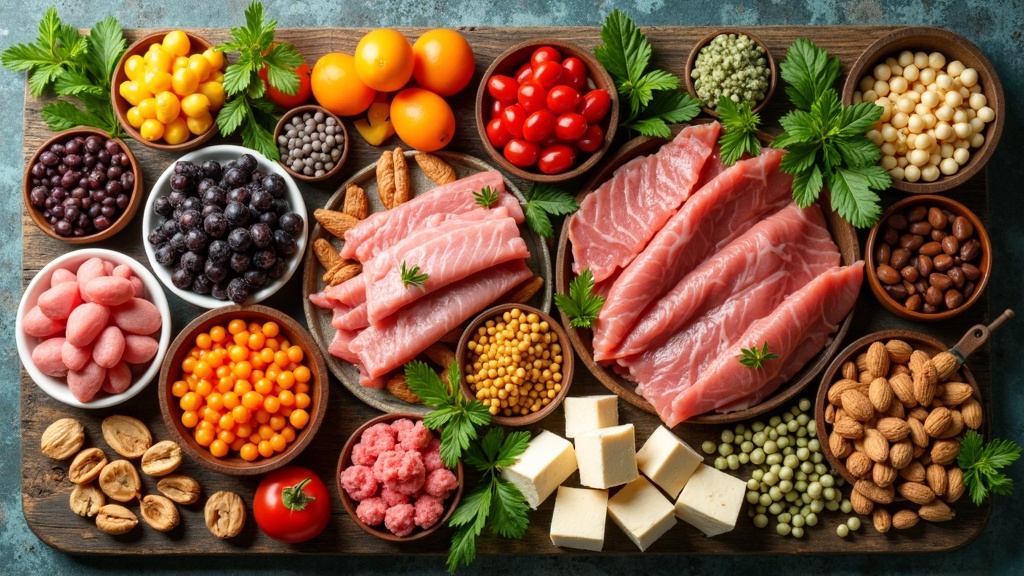
Animal and plant proteins both have their perks when it comes to blood sugar. The quality of the protein—and what comes along with it, like saturated fat, fiber, or sodium—also makes a big difference. Here are some protein sources worth considering if blood sugar is on your mind:
- Lean poultry (chicken or turkey): Skinless chicken and turkey are classic go-to sources of protein. They give you high-quality protein without much saturated fat, which is nice for heart health and blood sugar stability.
- Fish (especially fatty fish): Salmon, sardines, trout, and mackerel are rich in protein and omega-3 fats. The combo is great for your heart, which is especially important for folks managing diabetes.
- Eggs: Eggs are quick, super versatile, and generally affordable. Most research says eggs do not spike blood sugar and will not throw off cholesterol in healthy adults when eaten in moderation (see this NCBI study).
- Greek yogurt and cottage cheese: These are packed with protein and have less sugar than regular yogurt. They are also loaded with calcium and work well in savory or sweet dishes.
- Beans and lentils: Lentils, black beans, chickpeas, kidney beans – the list is long. They supply plant protein plus fiber, giving your blood sugar a double boost to keep it from spiking.
- Tofu and tempeh: Both are soy-based sources of protein, low in carbs, and filling. Tofu is mild and almost flavorless on its own, while tempeh has a nutty, meaty taste. Both slot easily into stir-fries, stews, or salads.
- Nuts and seeds: Almonds, walnuts, chia seeds, hemp seeds, and pumpkin seeds are high in protein, healthy fats, and fiber. They work well as snacks or tossed on just about anything.
- Lean beef or pork: These can fit in a blood sugar friendly plan if you stick to leaner cuts and keep sodium and processed meat low. Options like sirloin, tenderloin, or pork loin are pretty good bets.
For people aiming to lower their blood sugar or A1C, plant-based proteins like beans, lentils, tofu, and nuts can be a game changer because of the extra fiber. High-fiber foods help slow down digestion and keep your blood sugar steadier for longer.
The Link Between Protein, Blood Sugar, and A1C
Adding more protein to your meals can help make your blood sugar easier to manage. Some studies even show that increasing protein—especially from lean meats or plant sources—can help improve hemoglobin A1C (your average blood sugar over the past three months). The effect is even stronger when protein replaces some simple, low-fiber carbs or sugary foods.
But it is not just about eating as much protein as you can. Balance is important! For example, a diet much too high in red meat or processed meat can be rough on the kidneys and raise the risk of heart disease, especially for people with diabetes already at higher risk.
Mixing in plant-based proteins like beans or tofu is good not just for blood sugar, but also for your heart and digestion. The extra fiber in these foods may help you see better improvements in A1C than if you load up only on animal proteins. For references and ideas, the American Diabetes Association guide is super useful.
How Protein Helps Control Blood Sugar: The Science Bit
Protein itself does not break down into glucose the way carbs do, so when you eat a protein-rich meal, your body does not get a rush of sugar all at once. This buffering effect is especially strong if you eat protein along with a source of healthy fat or fiber. For example, try salmon with greens, beans with brown rice, or eggs with avocado toast for a balanced meal.
If you are taking medications that can cause low blood sugar (like insulin or certain diabetes drugs), keep in mind that a pure protein snack is not always enough to fix low blood sugar because protein does not quickly raise glucose. But as part of main meals, it is helpful for smoothing out blood sugar swings.
Some people have asked whether protein could make blood sugar go too low. Generally, protein has a mild impact compared to carbs, and it does not tend to cause lows on its own. It is still smart to track your levels if you have recently changed your eating habits or medications. 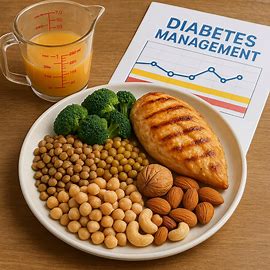
How Much Protein Per Day is Right for Diabetes?
The ideal protein amount can vary a bit by age, gender, activity, and individual health needs. Here is a general rule: Most adults do well with about 15–25% of calories from protein, or around 1–1.5 grams per kilogram (kg) of body weight per day.
- For someone weighing 68 kg (150 pounds), that is about 68–102 grams of protein per day. The American Diabetes Association recommends the same general protein range for people with diabetes as for the general population. If you have kidney disease, it is best to ask your doctor or dietitian before increasing your protein, since too much can add stress to kidneys that are not working well.
Tips for Adding More Protein to Your Diet
- Plan ahead: Prep hardboiled eggs, precook chicken breasts, or roast chickpeas for snacks that are easy and help keep you on track.
- Watch the portions: Aim for 3 to 4 ounces of animal protein or 3/4 to 1 cup of plant-based protein per meal.
- Pair with fiber: Combine protein with veggies, whole grains, or fruit for a balanced meal that will not spike your sugar.
- Mix up the sources: Rotate between animal and plant proteins to get a wider range of nutrients and flavors.
Making these changes a habit can help keep your energy steadier, avoid hunger crashes, and support better blood sugar numbers over time.
Another tip is to use herbs and spices to add flavor to your protein dishes, which can help you cut back on excess salt or heavy sauces. Try grilled salmon with dill, baked chicken with paprika, or lentil curry with turmeric and cumin for some extra taste and nutrition.
Common Hurdles With Protein Choices
- Too much processed meat: Bacon, sausage, and deli meats are high in both salt and unhealthy fats. Try to swap these out for baked or grilled options whenever you can.
- Forgetting about fiber: Animal proteins do not have fiber, which you really need for blood sugar balance. Make sure to add beans, nuts, or veggies on the side.
- Ignoring calorie creep: Cheese and nuts are delicious but can be high in calories if you eat fistfuls. A handful or small portion usually does the trick.
Another common challenge is sticking with the same type of protein. Mixing in new ones—such as replacing beef with beans in chili, or grilling fish instead of chicken—can help you stay interested in healthier eating. Also, reading nutrition labels is a simple but effective habit to spot added sugars in foods like flavored yogurts or protein bars.
What About Protein Powders and Shakes?
Protein powders like whey, casein, or plant-based blends (soy or pea) can help if you are having trouble getting enough through food. If you use these in shakes, go for unsweetened kinds and blend with fiber-rich fruit or greens. Always doublecheck the label for added sugar.
Frequently Asked Questions
What is the best protein to lower blood sugar?
For most people, lean proteins like fish, skinless chicken, eggs, and plant proteins (like beans, lentils, or tofu) are the best for steadying blood sugar. They work well because they come with other nutrients (like omega-3s or fiber) and do not pack much saturated fat. I am a big fan of adding beans and fish into my own meals on a regular basis.
Can eating more protein lower A1C?
Eating more protein—especially from lean or plant sources—alongside carbs can help smooth out blood sugar after eating and is linked to lower A1C for some people. The biggest wins happen when you add protein and fiber while cutting back on ultra-processed foods and sugary drinks.
Which protein is responsible for helping to control blood sugar levels?
There is not a single protein in food that “controls” blood sugar, but insulin, a hormone your pancreas makes using amino acids from protein, is what manages your blood sugar levels. Eating enough dietary protein makes it easier for your body to make insulin and other important hormones.
How much protein should a diabetic eat per day?
A good starting point for most adults is 1–1.5 grams of protein per kilogram of body weight, spread evenly across meals and snacks. Adjust higher or lower depending on your level of exercise, whether you are trying to lose weight, or if you have kidney issues. Checking with a registered dietitian is always a smart move for personalized advice.
Wrapping Up
Switching up your protein choices is a straightforward way to boost your blood sugar control. Focusing on lean meats, fish, eggs, and especially plant-based proteins helps keep your meals satisfying and your energy more stable. Mixing up the types of protein you eat and pairing them with fiber-rich foods deliver even better results for most people. If you stick with these guidelines, you will probably notice better blood sugar numbers and fewer energy dips. You might even track down new favorite recipes along the way.
www.wealthyaffiliate.com?a_aid=0d9cb408
Please check out the links below for additional relative information:
Great article, just what I needed. I will comment more on the comments page.MAC.
Thank you for the Comment, Michael. I hope you enjoy.
Kent
Hello, this is a great article and just what I needed. I am not diabetic but I do worry a lot about it. I believe I am eating way too many sweets. It is my habit to have 2 or 3 lifesavers or jolly ranchers when I arrive at work. It is also my habit to have the same when I finish wor and I am doing the daily activity report. My excuse is that I need the sugar to stay energetic to get through the shift or energetic enough to finish the paper work correctly. I am also in the habit of getting a milk shake with an extra scoop of ice cream every Sunday. And at home, there is always some cake or pie or Indian sweets (like burfis or gulabjumins) to snack on, and I do. I also buy peanut butter that is unsweetened but I add honey to it when I am eating it. All that has me worried especially since I am 68 years old already son I may be heading down the road to blood sugar problems. Oh, I also like eating honey nut Cheerios a lot too.
Anyway, this article is going to give me a good outline for replacing a lot of the bad habits I have in snacking. I do not eat red meat at all and chicken or turkey is not cooked at home very much but we do eat chicken dishes in restaurants occasionally. I mostly eat salmon at restaurants so maybe I can eat that and more beans and hummus which I do love. Your article really gave me important information because I had never known about the role protein and fiber can play in controlling blood sugar levels. Thank you again for this informative article, I will take notes from it and reform my sweets consumption. Peanuts (unsalted), hummus, salmon, and cottage cheese all sound like good starts. MAC
Thank you for your Comments, Michael. I noticed you had mentioned you add honey to unsweetened peanut butter. If the honey is not processed and is natural, natural honey is a “good natural” sugar. And yes, salmon is a good non-red meat that is good for you because of the omega-3’s. I just hope you order the salmon not to be fried. Grilled or broiled fish is better for you. I am glad the article has helped you realize many proteins can be very beneficial to one’s health. Best of luck to you. Thanks again for reading.
Best wishes,
Kent