Finding the right fruits if you have diabetes is not always simple, especially with all the confusing information out there. While fruit is packed with vitamins and fiber, it can also pack in quite a bit of sugar, which may spike blood sugar. I am here to walk you through the low sugar fruits worth checking out, the best ways to enjoy them, and a few answers to the questions that tend to come up most for folks who want to keep their blood sugar in a healthy range.
Why Low Sugar Fruits Matter For Diabetes Management
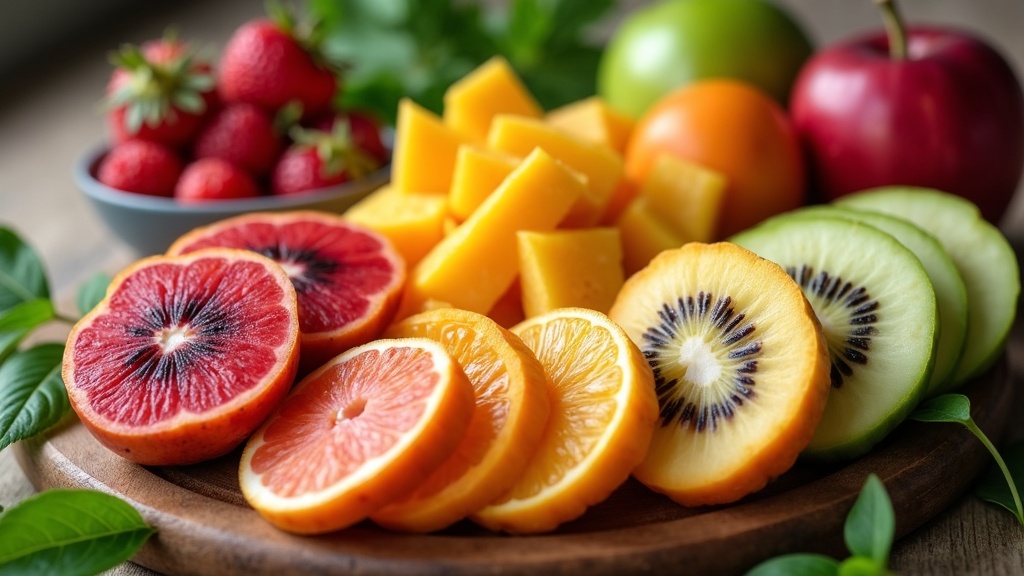
Berries, melons, and citrus fruits are not just tasty; they are some of the lowest sugar options you can find in the produce section. For those living with diabetes, choosing your fruit carefully helps you keep things steady instead of riding the blood sugar rollercoaster.
Carbohydrates, especially simple sugars, affect blood glucose more than fats or proteins do. Fruits do have natural sugars like fructose, but not all fruits hit your blood stream the same. That is where the glycemic index (GI) comes in. Weird name, but it’s pretty handy. It is basically a ranking of how quickly foods raise blood sugar. Most low sugar fruits also tend to have a lower GI, which makes them a safer bet for smoother blood sugar after meals. If you are curious where fruit fits in your overall diabetes plan, the CDC breaks this down pretty nicely.
Top Low Sugar Fruits Diabetics Can Eat With Confidence
When I am planning snacks or building fruit into a meal, these are my go-to picks for low natural sugar and plenty of nutrition.
- Strawberries: One cup of strawberries has around 7 grams of sugar, but tons of vitamin C and antioxidants. These are nice on their own or tossed into unsweetened yogurt.
- Blackberries: With just 7 grams of sugar per cup, plus a good fiber punch, blackberries are my top pick for dessert or a snack. They freeze well too, so if you find them on sale, grab extra for smoothies.
- Raspberries: You will find about 5 grams of sugar per cup in raspberries, and the fiber here really helps fill you up longer. Good on their own or added to oats or chia pudding.
- Kiwi: These little green powerhouses have around 6 grams of sugar per fruit and bring potassium, vitamin E, and fiber to the table. Just remember to scoop out the fuzzy skin unless you are feeling extra adventurous.
- Avocado: It surprises a lot of people that avocado is technically a fruit. Virtually no sugar, plus healthy fats keep you satisfied. Great on wholegrain toast, or in salads and smoothies for creamy texture without added sweetness.
- Watermelon: Even though watermelon tastes sweet, it’s mostly water and comes in around 9 grams of sugar per cup. The portion is key here; overdoing it can still raise your sugar.
- Cantaloupe and honeydew melon: About 11–13 grams of sugar per cup, but very filling and loaded with nutrients, vitamins A and C, and hydration from all that water content.
- Grapefruit: Half a grapefruit is just about 8–9 grams of sugar, with lots of vitamin C. Just double check if you are on medications that interact with grapefruit, as some blood pressure or cholesterol meds can have issues.
- Apples (especially Granny Smith): These have about 10–15 grams of sugar per medium apple, and the fiber in the skin slows things down. Slices with nut butter make one of my favorite balanced snacks, offering crunch, sweetness, and creaminess.
- Pears: Similar to apples, with 10–14 grams of sugar per medium pear and helpful soluble fiber, which is great for digestion and satiety.
You will want to keep portions in mind, since even low sugar fruits can add up if you eat large amounts. Whole fruits are always a better option than fruit juices or dried fruits, which concentrate sugar and can sometimes throw off your carb count faster than you would expect. When possible, try to eat fruit with the skin on (if edible), since it bumps up your fiber intake, slowing the rise in blood sugar even more.
How Low Sugar Fruits Fit Into a Diabetic Friendly Diet
Low sugar fruits play a solid role in meal planning. When I build a meal or snack, I usually try to pair fruit with a little healthy fat or protein; a handful of raw almonds with some blackberries, or a scoop of Greek yogurt with raspberries. This combo helps slow digestion and keeps blood sugar steadier. A good reference for balanced meals is the American Diabetes Association’s guide to eating well.
Every person’s body reacts a bit differently. Checking your blood sugar an hour or two after eating new fruit is a good way to get to know what works for you personally. Some people find even bananas or oranges work for them in small portions, while others notice a spike. Trial and error, with a bit of meter checking, goes a long way toward finding your sweet spot. If in doubt, keeping a food diary can help map things out. 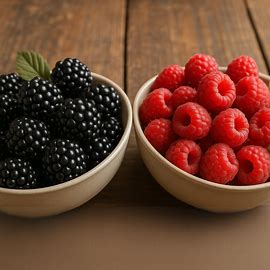
Which Fruit Has The Least Sugar For Diabetics?
Berries—especially raspberries and blackberries—usually have the lowest sugar per serving. Avocado technically has almost no sugar at all, so it is probably the lowest sugar fruit you can add to your plate if you are thinking about keeping carbs down. Citrus fruits like lemons and limes are great too, since they are low in both sugar and total carbs, but most people do not eat those straight up. Using lemon or lime as a flavor booster for water or salads is a smart way to add zest and nutrients without sugar.
The Fruit That May Help Lower Blood Sugar
People ask a lot about “the one fruit that lowers blood sugar.” No fruit literally drops your blood sugar on the spot, but some may support better blood sugar control over time thanks to helpful compounds. Incorporating certain fruits regularly into your diet may have longer term effects on insulin sensitivity and glucose metabolism.
For example, berries (especially blueberries and strawberries) contain anthocyanins, which may help your body respond better to insulin and improve how cells soak up sugar from your bloodstream. The “miracle fruit” folks sometimes talk about is Miracle Berry (Synsepalum dulcificum), a fruit from West Africa. It is noot a blood sugar cure, but it temporarily changes sour flavors to sweet when interacting with your taste buds. Some people use it to enjoy tart foods like lemon in new ways, but it is not a substitute for actual blood sugar management. There is some research on berries and glycemic control; for a deeper look, check out this review in the Journal of Nutritional Biochemistry. Other fruits with high fiber, like apples and pears, also seem to help keep blood sugar steady if eaten in moderation and paired with protein or fat.
What Can You Eat For 14 Days Without Sugar?
Cutting out added sugars for two weeks is actually more doable than it sounds. Stick to whole foods; naturally low sugar fruits like berries, avocados, tomatoes, and lemons, plus plenty of vegetables, lean proteins, healthy fats, and whole grains. Snacks might look like:
- Greek yogurt with fresh strawberries or blackberries
- Cucumber and tomato salad with fresh lemon juice
- Apple slices with almond butter (keep the apples on the smaller side)
- Avocado toast on whole grain bread with a few slices of tomato
- A bowl of plain cottage cheese topped with raspberries
- Fresh fruit salad made with mostly berries and a little melon, without honey or syrup
- Raw nuts, seeds, and roasted chickpeas for substantial snacks between meals
- Vegetables like bell peppers, snap peas, and celery with hummus
If you plan meals ahead and keep tempting packaged snacks out of sight, sticking to low or no sugar options feels a lot more manageable. You will probably notice your taste buds adjusting after a week or so; sweet foods start to taste extra sweet, and fruit may hit the spot without needing anything extra. After two weeks, transitioning back to an overall balanced approach with occasional treats is easier on your cravings and your blood sugar.
Smart Tips For Enjoying Fruit With Diabetes
- Go fresh or frozen: These usually have the lowest sugar and no added syrups. Avoid ones with extras on the label or opt for flash frozen whole fruits.
- Watch the portion: A small fruit or one cup of berries is usually a good starting serving. Use measuring cups at first if you are unsure.
- Skip the juice: Juice skips the fiber and sends sugar straight to your system. Whole fruit is much better for blood sugar and keeps you full longer.
- Steer clear of dried fruits: Even just a few pieces of dried mango or raisins can pack in more sugar than expected. Choose unsweetened if you do use dried fruits and watch the portion.
- Always read labels: Sometimes “fruit cups” or store-bought fruit salads have added syrup or sugar. Double check ingredients, or make your own fruit salad from scratch.
- Combine fruit with meals: Instead of snacking on fruit by itself, add it to a meal where you already have proteins and fats to slow absorption, like adding berries to overnight oats, or slices of apple to a salad with grilled chicken and walnuts.
Frequently Asked Questions
What fruit has the least sugar for diabetics?
Avocado has nearly zero grams of natural sugar, so it is about as low sugar as fruit gets. For sweet fruits, blackberries and raspberries are among the lowest, with only 5–7 grams per cup.
What is the one fruit that lowers blood sugar?
No fruit directly lowers blood sugar, but berries—especially blueberries—may improve insulin response and help keep blood sugar steady when eaten regularly.
Which fruit is better for a diabetic person?
Berries (like strawberries, raspberries, and blackberries), apples (especially with the skin), pears, grapefruit, and kiwi all work well because of their fiber content and relatively low sugar per serving. Adding these to meals helps make your diet more varied and enjoyable.
What is the miracle fruit for type 2 diabetes?
Miracle fruit (Synsepalum dulcificum) can make sour foods taste sweet, but it is not a diabetes cure. When people refer to “miracle fruit” for diabetes, they might also mean berries, which have helpful nutrients. No fruit replaces healthy eating, movement, and medication if needed.
What can I eat for 14 days without sugar?
Whole, minimally processed foods like fresh or frozen vegetables, lean meats, eggs, nuts, low sugar fruits (berries, tomatoes, lemons, avocados), and whole grains make it possible to eat for 14 days without added or extra sugar. Planning ahead is key for success!
Quick Takeaways For Fruit And Diabetes
Choosing low sugar fruits keeps meals colorful, varied, and nutrient rich without spiking your blood sugar. Practicing moderation, pairing fruit with protein or fat, and keeping track of your own reactions can really help you enjoy fruit while managing diabetes. Getting to know which fruits your body handles best means you can actually look forward to fruit snack time, without stress. Add some variety, experiment with combinations, and you will find diabetes-friendly fruit options that suit your taste and your health goals.
https://www.wealthyaffiliate.com?a_aid=0d9cb408
Please check out the links below for additional relative information:
Low-sugar fruits can be a smart part of balanced meals, especially when paired with healthy fats or proteins to help stabilize blood sugar. Examples include berries with almonds or Greek yogurt. Since everyone’s body reacts differently, checking blood sugar after meals and keeping a food diary can help identify what works best. Using trusted resources like the American Diabetes Association’s guide supports informed meal planning.
What combinations or strategies have you found work best for keeping your blood sugar steady?
Thank you for your Comments and question, Linda. You make a very good point that everyone’s individual body reacts differently, so that is another reason it is imperative to consult your medical doctor or diabetes professional. To answer your question about keeping my blood sugar steady includes a couple of things: 1) when my blood sugar is a little low, I will drink about a half glass of Diet Coke or Diet Pepper. 2) For a daily habit, which is even recommended by my personal doctor, I will eat a small package of peanut butter snack crackers. This also gives me a little protein “pick-me-up”. Thanks again for your Comments, Linda.
Best wishes,
Kent
Great article, Kent. The fruit-by-fruit breakdown is super helpful, and I appreciate your tip on pairing fruit with protein or healthy fats—it’s a simple but powerful strategy. Including glycemic index info and portion advice makes it even more practical. A sample daily fruit plan could be a great addition. Thanks for making diabetes-friendly eating feel doable and balanced.
Thank you for your Comments, charzaria. One thing to mention is that frozen packaged fruits, such as cut-up strawberries in a sealed bowl has seemed to be very popular. I am sure there are many processed sugars included in those containers. Very conservative portions would be highly recommended for those type of fruit items. Thanks again for your Comments.
Best wishes,
Kent