Diabetes treatments have gone through some big changes in recent years. Whether someone has Type 1 or Type 2 diabetes, new approaches and technology are making it easier to manage blood sugar, and even reduce complications over time. If you are new to this “world” or just curious about what is working now, I will break down what is trending, what is available, and why it matters for people living with diabetes.
What is New in Diabetes Treatment?
Staying updated with the latest diabetes treatments can feel overwhelming, but new developments continue to roll out for both Type 1 and Type 2 diabetes. Treatments now go beyond just insulin and basic oral medications. There is a wave of new devices, medication classes, and lifestyle tech making day-to-day management a lot more achievable. Many of these advances aim for improved blood sugar control and convenience; for some people, that’s a game-changer.
Several companies, from big names like Medtronic and Dexcom to newer startups, are investing in research and helping push the field forward faster than ever before. The diabetes care market is expected to keep growing, with smart devices and less invasive options leading the way. That means real improvements are happening for kids, teens, adults, and seniors with diabetes, along with benefits for caregivers as well.
Type 1 or Type 2: Why Treatment Options Differ
One of the most important things to realize before jumping into treatment options is that Type 1 and Type 2 diabetes are very different at the root level. Here is a simple breakdown to help spot the differences:
- Type 1 diabetes is typically an autoimmune condition where the body stops making insulin. That means someone with Type 1 diabetes needs insulin from the outside, usually for their whole life.
- Type 2 diabetes is more about insulin resistance and may be influenced by genetics, lifestyle, or both. The body still makes insulin, but often not enough or it is not used efficiently.
The difference explains why some medications and treatments work for one type, but not always for the other. For example, insulin pumps are used mostly for Type 1 diabetes, while new oral meds and GLP1 agonists are often for Type 2 diabetes. However, there is a growing area of overlap as research advances. Here is what I am seeing in each category.
Fresh Approaches to Type 1 Diabetes Management
Type 1 diabetes treatment is all about precise glucose tracking and getting insulin where and when the body needs it. Recent upgrades are aiming for smoother blood sugar control and fewer daily hassles.
- Automated Insulin Delivery (AID) Systems: These combine a continuous glucose monitor (CGM) with a smart insulin pump. The system does a lot of the adjusting on its own, helping keep blood sugar in a healthy range more consistently. Dexcom and Tandem t:slim X2 are big names to check out in this area.
- Smarter Continuous Glucose Monitors: Devices like the Dexcom G7 and Abbott’s Free-Style Libre 3 offer more accurate, comfortable, and low profile ways to keep up with blood sugar in real time, without all the finger pricks.
- Ultra-Rapid Insulin: Fast acting insulins like Fiasp and Lyumjev are speeding up how quickly glucose comes down after meals, helping people handle food spikes better. They are especially useful for folks who enjoy flexibility with meal times or snacks.
- Smart Pens and Connected Apps: Digital insulin pens track doses and connect to phone apps, making it easier to spot trends or share info with a doctor. Novo-Pen 6 and In-Pen are a couple of examples worth checking out.
Ongoing research is also looking at new ways to protect or restore the insulin-making cells in the pancreas, which could someday lead to less reliance on insulin or even long term remission. Most of these are still in clinical trials, but it is an area that is worth watching if you are living with Type 1 diabetes.
New Developments for Type 2 Diabetes
Treating Type 2 diabetes has gotten a lot more personal, and there is a bigger toolbox than ever before. While some people with Type 2 diabetes will eventually need insulin, many can control their blood sugar with combinations of medications, lifestyle tweaks, or newer devices. Here are some treatment updates that get a lot of buzz right now:
- GLP1 Receptor Agonists: This class of medicines (like semaglutide and tirzepatide) helps with both blood sugar and weight management. They can also lower the risk of heart disease, which is super important in Type 2 diabetes.
- SGLT2 Inhibitors: Medications like empagliflozin and dapagliflozin help the kidneys get rid of extra sugar. They are also shown to help protect kidneys and the heart, which is a big plus in Type 2 diabetes care.
- Weight- Focused Therapies: New weight loss medications closely tied to Type 2 diabetes care are helping people lower both their blood sugar and their body weight. This double effect means better energy and fewer diabetes-related issues.
- Connected Health Platforms: Remote monitoring tools and connected blood glucose meters allow shared data with healthcare teams, which means more personalized, timely adjustments. Livongo and mySugr are examples to look for.
Some people with Type 2 diabetes are able to stop medications by focusing hard on diet, movement, and weight related changes, though this is not possible for everyone. The biggest changes noticed are patients having more options, less hassle, and new motivation to stay on track because medication side effects are often milder now. 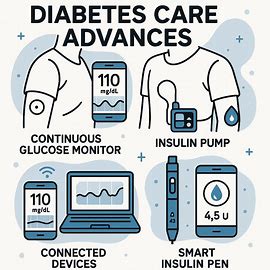
Tech Advances Making Diabetes Care Smoother
Technology is changing both the way people monitor their diabetes and how treatments get delivered. Here are some trending innovations you might hear your doctor talk about:
- Noninvasive Glucose Monitoring: Researchers are working on wearable sensors that track blood sugar without breaking the skin. While not fully mainstream yet, this is a goal that is closer than ever.
- Artificial Pancreas Systems: Sometimes called closed loop systems, these automatically adjust insulin delivery based on CGM readings, mimicking the body as closely as possible. This is already an option for some with Type 1 diabetes, and studies are starting to expand into wider groups.
- Smartphone Integration: Most new devices now sync with smartphones, pushing notifications and trends to both patients and healthcare providers instantly. This encourages better, easier tracking and problem solving for high or low readings.
- Telemedicine: Virtual visits make it easier to get specialist advice quickly, even from home. That is great for people who live far from big medical centers or who like flexible care.
One exciting development is the rise of adaptive dosing algorithms, built into insulin pumps or apps, which personalize therapy day by day. These systems reduce the guesswork for users, making good control a bit less stressful. Also, Bluetooth-enabled blood sugar meters now send results automatically to cloud based records, so trends are easier to see and share with the care team for timely adjustments.
Things to Think About Before Choosing a New Treatment
Just like picking a new car or tech gadget, it is logical to weigh the pros and cons before changing up a diabetes treatment plan. Here are some factors to keep in mind:
- Cost and Insurance Coverage: Newer devices and meds can be pricy. Check what is covered and ask about available assistance programs to avoid surprises.
- Training and Support: High tech tools may need some setup and training. Good support from a doctor, diabetes educator, or pharmacist can make a huge difference.
- Compatibility: Not every device or medication works for every person or every type of diabetes. It is recommended to check for allergies, interactions, and other health problems before switching.
- Ease of Use: Some people prefer to keep things simple, while others like having as much data and automation as possible. Pick something that fits your daily life and comfort level.
Insurance and Cost Questions
One major challenge folks run into is insurance approval and rising medication costs. If a certain device or medication is not covered, it often helps to ask your diabetes team about patient savings programs, generic alternatives, or community clinics that might provide samples or lower cost refills.
Learning Curves
Smart devices and apps can seem intimidating at first. Most companies offer phone support, training videos, or in person help for new users. Connecting with others using the same tech in online forums or local support groups can shorten the learning curve, too.
Cool Features That Make Daily Management Easier
Some features showing up in diabetes tech right now include predictive alerts (giving users a head start before a high or low blood sugar), seamless integration with fitness trackers, and meal tracking components right in the app. These extras help spot patterns faster and make quick adjustments. Families of kids with Type 1 diabetes especially like being able to keep an eye on readings from afar for extra peace of mind.
- Predictive Glucose Alerts: Gives extra warning for blood sugar swings, so action can happen early.
- Food Database Connections: Logging meals and snacks with a barcode scanner or search feature makes carb-counting quick and simple.
- Remote Monitoring: Caregivers and family can quietly check readings through their phones, which can be a relief for parents and partners alike.
Integration with digital health records now means your endocrinologist or diabetes nurse can check on trends in real time and reach out sooner if something deserves attention. Nutrition tracking is also more advanced; some apps even suggest recipes or meal plans based on your goals and recent blood sugars, which makes healthy choices easier to stick to.
It is worth noting that the newest wearables are becoming more water resistant, lighter, and offer longer battery life. This means people can stay connected to their numbers during swimming, exercise, or long work shifts without worrying about constant recharging or discomfort.
Frequently Asked Questions
Here are a few questions I hear a lot about recent diabetes treatments:
Question: Should I replace my old blood sugar monitor with a CGM?
Answer: For many, a CGM makes management easier but not everyone needs one. Insurers may have requirements. Talk with your care team to see if it makes sense for your situation.
Question: Can Type 2 diabetes go away with new medications?
Answer: Some people can reach normal blood sugar with new therapies, especially if paired with weight loss and healthy habits. Many still need some long term treatment, but less than before.
Question: Do I need to change what I eat because of new meds or tech?
Answer: Eating well is still super important. New treatments mean more flexibility for some, but healthy foods and activity always help treatment work better.
Moving Ahead with the Latest in Diabetes Care
With all these new options, diabetes management is a lot more flexible and effective than it used to be. Technology and research breakthroughs mean there is something available for different needs; whether you are using insulin every day, juggling multiple meds, or just looking for less hassle and better control. Exploring recent developments, asking questions, and staying open to trying new solutions can help keep blood sugar steady and life feeling manageable.
A good place to stay updated with the latest in diabetes treatments is the American Diabetes Association website or organizations like JDRF for Type 1 diabetes news. For tech reviews and real world tips, online forums and diabetes communities are full of people sharing what is working for them and how to handle new gadgets or treatment changes in daily life. The next few years are shaping up to bring even more choice and convenience, so it is definitely worth paying attention, no matter which type of diabetes you are managing.
https://www.wealthyaffiliate.com?a_aid=0d9cb408
Please check out the links below for additional relative information:
This was a really informative and well-organized article. Thank you for breaking down so many recent advancements in a way that’s easy to digest, whether someone is newly diagnosed, like myself, or already deep into diabetes management.
One thing that stood out to me was the evolving overlap between Type 1 and Type 2 diabetes treatments, especially with tech like CGMs and closed-loop systems. I would love to hear more about how researchers or clinicians are approaching that convergence. Do you think we’ll see a future where devices or even medications become fully “type-agnostic,” or will the root differences in the diseases always require distinct approaches?
Also, regarding the weight focused therapies for Type 2, do you think there’s enough support in place for patients navigating the psychological side of weight loss, especially when it’s closely tied to identity, body image, or long-term habits? Tools like GLP-1s seem powerful, but I wonder how often behavior support is offered alongside them.
Do you know of anyone who has tried any of the smart pens, CGMs, or newer apps mentioned. Do they actually reduce the day to day friction, or did it take a while before it really felt “easier”?
Would love to hear others’ experiences and thoughts. It’s exciting to see so many improvements, but equally important to know how real people are adapting and what they wish they knew before starting.
Thank you for your Comment, Saschi. I still feel the main contrast between Type 1 and Type 2 diabetes is the need for insulin treatments for Type 1 diagnoses. If there are any overlaps, it still comes down essentially to the amount of insulin produced from the pancreas. Type 1 diabetes sufferers usually need the insulin treatment. I am certain that weight-focused therapies are beneficial because some people do go through the mental stress of diabetes. The weight-related aspect of Diabetes is continually be studied and researched. Also, unfortunately, I have not heard of anyone using smart pens or CGM’s. Thank you again for your Comment.
Best wishes,
Kent
This is such a thorough and encouraging overview of the latest in diabetes care. I really like how you broke down the differences between Type 1 and Type 2 treatments while also showing the overlap where technology and new meds are helping both groups. The advances in CGMs and automated insulin delivery systems sound especially life-changing, and it’s great to see that more user-friendly, connected tools are being developed. I also appreciate that you mentioned the practical side—like insurance, training, and ease of use—since those are just as important as the tech itself.
Do you think noninvasive glucose monitoring will become mainstream in the next few years, or are we still quite a way off from seeing it widely available?
Thank you for your Comments and question, Jenny. First of all, yes, user-friendly connected tools have been developed and have been very beneficial. To answer your question, I feel it is unlikely that true noninvasive glucose monitoring will become mainstream, at least not in the near, near future. I state this because, for now, there has been no device that has received any FDA approval or clearance for medical-grade noninvasive use. However, it is getting much closer to being a market reality. Thank you again for your Comments.
Best wishes,
Kent