If you have ever experienced sudden shakes, lightheadedness, or confusion out of nowhere, you might be having a bout of low blood sugar, which doctors call hypoglycemia. For anyone managing diabetes, knowing the warning signs of hypoglycemia is really important, but hypoglycemia can affect others too—sometimes even without warning. Being able to spot the early symptoms, understanding when to seek help, and knowing which medications or fluids play a role can make all the difference in how hypoglycemia is managed and prevented.
What Is Hypoglycemia?
Hypoglycemia happens when your blood sugar (glucose) levels drop lower than what your body needs. For most people, this means blood sugar below 70 milligrams per deciliter (mg/dL), but the exact number can vary. Anyone with or without diabetes can have hypoglycemia, though it is much more common in people using insulin or certain medications for diabetes management. A single dip into low blood sugar is usually manageable, but frequent or severe drops can become risky and may require help from medical professionals.
Sometimes, though, if things are not treated soon enough, hypoglycemia can snowball into something serious and even become life-threatening. That is why learning to recognize these symptoms as soon as they start really helps. It is not just about numbers; it is about feeling those early changes and being ready to react. Even for people without diabetes, illnesses or strenuous physical activity can sometimes stir up similar symptoms.
The Earliest Warning Signs of Hypoglycemia
The early symptoms of low blood sugar are your body’s way of waving a red flag. Most people notice these symptoms before things get serious, but sometimes the warning signs are subtle. Here are common symptoms to watch out for:
- Shakiness or tremors: Feeling jittery or noticing your hands shake is a classic early sign.
- Sudden sweating: Breaking out in a cold, clammy sweat, even if you are not overheated, is another frequent sign.
- Palpitations or rapid heartbeat: Your heart might suddenly be pounding faster than normal.
- Hunger: Feeling intensely hungry out of the blue, even if you just ate. Many people find this particularly tricky to ignore.
- Anxiety or feeling nervous: Pervasive unease, restlessness, or panic can strike for no clear reason.
- Weakness or fatigue: A heavy, drained sensation that can make you want to sit down or rest.
- Pale skin: Your face may look unusually pale or drained, sometimes to the point that friends or family notice before you do.
Everyone experiences these differently. Sometimes just one warning sign shows up, or they come in a cluster. Over time, people used to fluctuations in their sugar might stop noticing these early symptoms—a situation called hypoglycemia unawareness, which can be risky and make it tough to catch lows before they worsen. If you start feeling that you do not get these warnings anymore, speak up to your provider—it is something you can work on together.
Worsening Symptoms and When to Seek Immediate Help
If those first symptoms are not caught and blood sugar continues to drop, you will start noticing more severe effects. These can include:
- Confusion or difficulty concentrating: You may feel like your brain is foggy or have trouble following conversations or completing simple tasks.
- Slurred speech: Talking can get harder, almost as if you are drunk or really tired.
- Blurred vision: Things can start to look fuzzy, double, or out of focus.
- Loss of coordination: Moving or walking can feel weird and clumsy, which is especially dangerous if you are driving or operating equipment.
- Behavioral changes: Some people seem irritable or act out of character, sometimes becoming uncharacteristically angry or withdrawn.
- Seizures or loss of consciousness: This is the most severe outcome and needs emergency treatment right away, as it can be life-threatening if not addressed quickly.
If you ever notice someone with diabetes acting confused, faint, or suddenly unresponsive, it is super important to get them help right away. Hypoglycemia is considered an emergency if someone is unconscious, having seizures, or unable to swallow safely. Sometimes, loved ones or coworkers are the first to catch these changes, so sharing hypoglycemia warning signs with folks around you can truly save lives.
What Causes Hypoglycemia?
The roots of hypoglycemia vary depending on whether someone is managing diabetes or not. For many people, common causes include:
- Skipping meals or eating too little: Not enough carbohydrates leads to a drop in blood sugar. Even delaying a meal or snack by an hour or two can sometimes be enough to bring on symptoms, especially after taking insulin or certain other medications.
- Increased physical activity: Exercise uses up more glucose, sometimes faster than your body can handle, especially if you have not adjusted your food or insulin. This can happen even hours after you finish a workout.
- Too much diabetes medication: Taking more insulin or oral medications than needed can push blood sugar too low. Accidental double-dosing or changes in routine can make this more likely.
- Alcohol: Drinking alcohol on an empty stomach, or drinking without enough food to balance it out, can make it tough for your liver to release glucose when you need it.
Some rare causes include severe infections, hormone imbalances, problems with the adrenal or pituitary glands, or even certain tumors. While these are not nearly as common, it is good to be aware if you have other medical conditions.
Which Medications Cause Hypoglycemia?
Most people living with diabetes know that insulin is the medication most likely to trigger hypoglycemia, but there are others on the list. Here are the more common meds linked to blood sugar drops:
- Insulin: Both short-acting and long-acting insulins can lower glucose too much if dosing or timing is not matched to your needs.
- Sulfonylureas: Drugs like glipizide and glyburide help the pancreas make more insulin, but can sometimes overshoot, especially if you skip meals after taking them.
- Meglitinides: Repaglinide and Nateglinide work similarly to sulfonylureas and can also cause low blood sugar.
- Other diabetes meds: Some combination therapies or older medications can have hypoglycemia as a side effect, so be sure to keep your medication list updated with your provider.
Medications outside of diabetes, such as quinine (used for malaria), certain antibiotics like fluoroquinolones, or non-diabetes drugs in rare cases, can sometimes also contribute. Always check in with your doctor or pharmacist if you are starting something new while taking medication for blood sugar. Reviewing your full medication list regularly can help catch possible interactions.
Which Fluids Help with Hypoglycemia?
If you or someone else is feeling the warning signs of low blood sugar, quick correction makes a big difference. For most mild to moderate cases, you want fast-acting sugar—usually a simple carb that your body can absorb rapidly. For fluids:
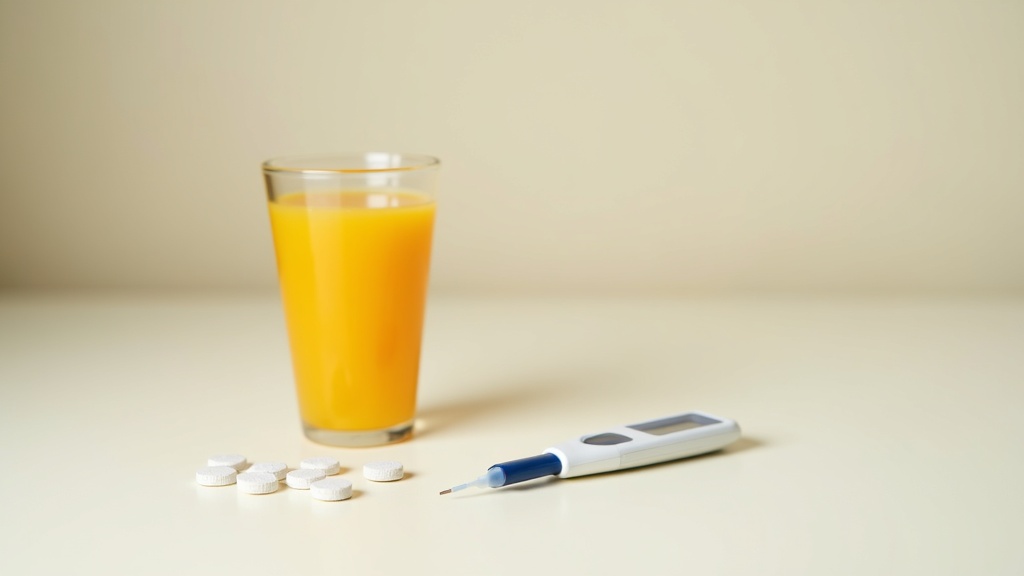
- Fruit juice: Orange juice, apple juice, or even non-diet sports drinks can quickly bring up levels. Aim for about 4 ounces, which is usually enough to help.
- Regular (non-diet) soda: About 4 ounces of regular cola or lemon-lime soda works too. Avoid diet drinks, as artificial sweeteners do not have the carbs your body needs to boost sugar quickly.
- Glucose drinks: Sold at most pharmacies, these “rescue” drinks are specifically made for quick absorption and are a popular choice for people who need an instant fix.
Water alone does not raise blood sugar, though it is still wise to stay hydrated. For anyone too drowsy or confused to drink safely, skip fluids and contact medical help right away. Safety first: Never try to give fluids to someone who may choke or is not fully awake.
Emergency Steps for Severe Hypoglycemia
Sometimes hypoglycemia needs much more than juice or a snack. If someone is unresponsive, having a seizure, or can not swallow:
- Use a glucagon emergency kit: People with diabetes often carry a shot or nasal spray that boosts blood sugar quickly. Instructions are usually included, so even someone without medical training can give it safely and quickly.
- Call for emergency services: Call your local emergency number right away. Every minute is important if someone loses consciousness from hypoglycemia.
- Turn the person on their side: This helps prevent choking in case of vomiting and keeps the airway clear.
Glucagon kits are available by prescription and recommended for anyone on insulin or with a history of frequent lows. Hospitals treat severe cases with intravenous (IV) glucose, ensuring blood sugar comes up rapidly. Ask your doctor if you or a loved one should have a glucagon kit on hand—it can make all the difference in an emergency.
If you suspect hypoglycemia in someone unable to answer, do not offer food or drink by mouth. Professional help is needed right away to avoid choking or aspiration. 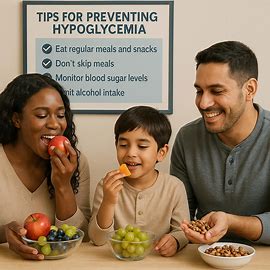
Ways to Prevent Hypoglycemia
- Eat regular meals and snacks: Keeping a steady source of carbs in your system helps avoid big drops. Carry portable snacks, such as crackers or a granola bar, if you know you will be on the move.
- Monitor blood sugar often: Checking before and after meals or exercise, and at bedtime, helps spot trends early, making it easier to step in quickly.
- Balance medication, food, and activity: If you are trying a new workout, traveling, or have changed your eating schedule, review insulin or medication dosing with your healthcare team. Even small adjustments to timing or dosing can help.
- Carry quick sugar: Glucose tablets, hard candy, or juice boxes are quite handy for those on the go, especially during travel, sports, or long meetings.
- Limit alcohol and drink with food: This helps your body keep up with glucose production overnight and during extended fasting.
Working closely with your doctor, diabetes educator, or pharmacist is the best way to map out a plan that suits your needs. Sometimes, small tweaks—like adjusting snack times or dose timing—can make a big difference. Do not forget to educate close friends, coworkers, or family members about what to watch for and how to help if you do have a low. Sharing this knowledge builds a support system and can ease the stress of managing lows on your own. When in doubt, speak up and ask your care team for any updates or changes to your regimen.
Common Questions About Hypoglycemia
Question: What are the absolute earliest warning signs of hypoglycemia?
Answer: Shakiness, sweating, hunger, and a fast heartbeat usually show up first. Some people feel anxious, irritable, or just notice a strange kind of fatigue. When these start, it is a good time to check your blood sugar and get a quick snack if it is low. If those signals become faint, ask your provider about strategies for hypoglycemia unawareness.
Question: What fluids help correct hypoglycemia the fastest?
Answer: Drink 4 ounces of fruit juice, regular soda, or a glucose-specific drink. These get into the bloodstream quickly and help fix most mild lows within about 10-15 minutes. Glucose gels can also work in a pinch and are easy to carry.
Question: When should hypoglycemia be treated as an emergency?
Answer: If someone can not safely swallow, passes out, or has a seizure, this is an emergency. Use a glucagon kit if you have one, turn the person on their side, and call for immediate medical help. Do not wait; prompt action is important for safety and recovery.
Question: Which types of medications are most likely to cause hypoglycemia?
Answer: The biggest culprits are insulin, sulfonylurea drugs, and meglitinides. Some combination therapies or older diabetes medications can still cause lows. If you are not sure, check with your healthcare provider or pharmacist and keep a current medication list handy.
Final Thoughts
Hypoglycemia can feel scary, but understanding the warning signs and having a plan for quick action makes it much more manageable. Keeping track of your symptoms, having fast-acting sugar on hand, and working with your care team helps you stay safe and reduce stress around managing blood sugar. Building your support team, making sure the people around you know what to do, and keeping up with regular check-ins sets you up for success. Wrapping up, a little knowledge and planning can transform hypoglycemia from a scary surprise into something you are ready to tackle. Stay safe, stay prepared, and do not hesitate to ask for help when you need it.
www.wealthyaffiliate.com?a_aid=0d9cb408
Please check out the following links for additional relative information:
“The Earliest Warning Signs of Hypoglycemia” really stood out to me. It clearly emphasizes how crucial it is to recognize those subtle first signs—like shakiness, sweating, or anxiety before they escalate into dangerous territory. I appreciate how the article also touches on hypoglycemia unawareness, a condition not often talked about, yet incredibly important for those managing diabetes over time. The tone is both informative and approachable, which makes this potentially scary topic feel more manageable and empowering. Are there any recommended strategies or tools to help someone regain awareness if they develop hypoglycemia unawareness?
Thank you for your Comments and question, Ravin. It is crucial to recognize the first, very subtle signs of hypoglycemia, such as shakiness or sweating. I believe utilizing a Continuous Glucose Monitor (or CGM) provides an actual real-time data, and more importantly, predictive alerts for any low blood sugar levels. The most important thing is to consult with your health provider to possibly adjust your diabetes management plan. Thank you again for your great Comments.
Best wishes,
Kent
Hi Kent,
Thanks for sharing this informative article on hypoglycemia and its warning signs. It’s a crucial topic for anyone managing diabetes or experiencing sudden drops in blood sugar.
The article does a great job explaining the early symptoms to watch out for, like shakiness, sweating, rapid heartbeat, and sudden hunger. It’s interesting how these signs can be subtle or come in clusters, and how some people might stop noticing them over time due to hypoglycemia unawareness.
I particularly appreciated the practical tips for correcting low blood sugar quickly, such as drinking fruit juice, regular soda, or using glucose drinks. The emphasis on having a glucagon emergency kit on hand and educating loved ones on how to help in severe cases is also valuable advice.
It’s clear that preventing hypoglycemia requires a balanced approach to medication, food, and activity, along with regular blood sugar monitoring. Working closely with a healthcare team to make necessary adjustments seems key.
I’m curious to hear your thoughts on this topic. Have you or someone you know experienced hypoglycemia? What strategies have you found most helpful for managing or preventing low blood sugar episodes? I think this could be a great starting point for a broader discussion on diabetes management and the importance of being prepared for potential complications.
Looking forward to hearing your insights!
All the Best,
Eric
Thank you very much for your Comments, Eric. My brother-in-law, who passed away a couple of months ago from liver cancer, had experienced some bouts of hypoglycemia. His doctors advised him to consume a small glass of a sugary drink or eat a small portion of something sweet.
To add to my list of hypoglycemia symptoms, early symptoms of hypoglycemia are as follows: dizziness or lightheadedness, anxiety, and even irritability. Other more possible severe symptoms may include nausea, vomiting, abdominal pain, weakness or fatigue, slurred speech, blurred vision, and in some severe cases, seizures.
But some people with diabetes may experience hypoglycemia without any noticeable symptoms. This is called “hypoglycemia unawareness”. (This is what my brother-in-law experienced.) Hypoglycemia unawareness can be dangerous, as it may possibly delay treatment.
If one experiences any of these symptoms, it is imperative to check your blood sugar levels immediately. If they are low, one may consume a natural remedy, like honey or fresh juice, to take care of the situation. Of course, if symptoms worsen, seek medical attention immediately if the symptoms do not improve with the “home remedy”.
Kent