
Building an exercise routine when you have diabetes is one of the best things you can do for your blood sugar, energy, and overall well-being. The challenge for a lot of people is knowing exactly which types of workouts fit best, how to put a plan together, and how often to do them safely. I am bringing together all the key details you will want to know, so you can feel confident making exercise a reliable part of your type 1 or type 2 diabetes care.

Why Exercise Matters for Diabetics
Staying active does a lot more than just burning off extra calories. For people with diabetes, regular movement helps the body use insulin more effectively, making it easier to keep blood sugar steady. It also supports a healthy heart, builds muscle, and even gives a boost to your mood. Plenty of research shows that consistent exercise can lower A1C levels, which is the main marker for long-term blood sugar control. The awesome part is that you don’t have to hit the gym hard or run marathons. Everyday activities and moderate exercise can bring real benefits, too.
The American Diabetes Association recommends mixing different types of exercise. When you put together aerobic exercise (think walking or cycling) with strength training, you tap into both steady calorie burn and improved muscle function, both of which are really helpful for managing insulin sensitivity over time.
Safe and Effective Exercise Types for Diabetics
There is no single workout that is the “best” for everyone with diabetes. In my experience, a mix of the following is usually most helpful:
- Aerobic Exercise: Activities like brisk walking, swimming, dancing, or jogging. Even things like gardening and chores count if they get your heart rate up.
- Resistance Training: Strength work with weights, resistance bands, or even bodyweight exercises (like squats and pushups).
- Flexibility & Balance: Stretching, yoga, and tai chi are great for balance and joint health, and can reduce your risk of falls.
It is worth noting that aerobic activities are especially effective for improving cardiovascular health, and resistance work helps your body use glucose more efficiently. For example, incorporating a simple walk after meals can help lower post-meal blood sugar spikes, while doing bodyweight squats or pushups at home helps build strength without needing special gear.
How Much and How Often to Exercise
The typical goal for people managing their blood sugar is to aim for about 150 minutes per week of moderate-intensity activity, spread out over at least three days. That is usually about 30 minutes most days. It is important to avoid taking more than two consecutive days off from aerobic exercise, since breaks longer than that can make blood sugar harder to manage.
For strength training, two to three sessions per week is a good target. This can be circuit workouts at the gym, bodyweight moves at home, or a group class that focuses on resistance exercises. Remember to give your muscles at least one day to recover between strength sessions.
Starting Your Routine: First Steps For Diabetics
If you are just getting going, it is smart to ask your doctor or diabetes educator. They can suggest adjustments for your unique needs, especially if you take insulin or have heart or nerve problems. Starting slow is wise. Even five or ten minutes a day is a solid beginning; you can build up over a few weeks.
- Begin with activities you already enjoy, like walking a favorite neighborhood route.
- Set a reminder to move every hour, especially if you spend lots of time sitting.
- Have some juice, glucose tablets, or a small snack handy in case blood sugar drops.
Getting support from family or friends can also make it easy to stay motivated. Try inviting a buddy to join you for a short walk, or check out an online fitness class. Accountability can give a boost to your commitment! 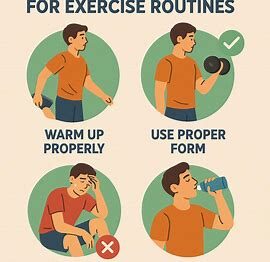
Key Tips for Safe Diabetes Exercise
Exercise for diabetics is not just about how hard you go. A little planning goes a long way toward keeping workouts safe and enjoyable.
- Monitor Blood Sugar: Check before and after workouts, especially as you get started. If you take insulin or medications that lower blood sugar, watch for low blood sugar during or after activity.
- Stay Hydrated: Drink water throughout your workout. High blood sugar makes dehydration more likely.
- Wear Proper Shoes: Well-fitting athletic shoes lower the risk of calluses or sores, which is super important for people with diabetic neuropathy.
- Warm Up and Cool Down: Take five minutes before and after to transition. Easy stretches or gentle movement work well.
Plan ahead, especially if you will be doing longer or more intense exercise than usual. If you notice your blood sugar trending low more than once, talk to your healthcare provider about strategies to prevent lows while staying active.
Common Hurdles and How to Work Around Them
Exercising with diabetes isn’t always simple. Unexpected dips in energy, schedule changes, or just plain low motivation can come into play. Here are a few tips that are found helpful:
- If weather keeps you indoors, try online workout videos or walk in place during TV commercials.
- For busy days, try to fit in short activity sessions, like a brisk 10-minute walk after meals.
- If my blood sugar runs low, keep a snack nearby, and remind yourself a short break is much better than pushing through if you are not feeling right.
Tracking your exercise and mood can help spot when and why you face hurdles. Sometimes, a quick stretch break or just getting outside for a fresh-air walk can get you out of a rut. Celebrating small wins is also key—every step really does count!
Understanding Exercise and Blood Sugar Fluctuations
It is pretty common to see some shifts in blood sugar from new workouts. Aerobic exercise usually lowers blood sugar, but high-intensity or strength workouts can sometimes make it spike temporarily. Tracking your readings and how you feel after different exercises helps pinpoint patterns, so you can tweak your routine if needed.
Sample Routine: What a Typical Week Can Look Like
Finding a pattern that works for your energy and schedule is the main goal. Here is a flexible example that works well for lots of busy adults:
- Monday: 30-minute walk at a steady pace
- Tuesday: 20 minutes of beginner strength exercises (bodyweight squats, resistance band rows, pushups)
- Wednesday: Yoga or stretching (great for balance and reducing stress)
- Thursday: 30-minute bike ride or brisk walk
- Friday: Rest or gentle stretching
- Saturday: 20+ minutes of strength training (could be at home or gym)
- Sunday: Leisurely hike, swim, or dance session
This schedule adds up to around the 150-minutes for-the-week target, with strength twice and at least one day focused on balance or flexibility. If you need to swap out the days or make it even shorter, that is totally fine. Consistency matters more than sticking to a perfect schedule. If you like variety, you could switch things up with team sports, group fitness classes, or different outdoor activities like hiking or rowing to keep it interesting and enjoyable.
What to Do If You Have Diabetes Complications
Some people living with diabetes face special challenges, like neuropathy (nerve problems in the feet or hands), retinopathy (eye issues), or heart disease. If that is your situation, you will want to make a few tweaks:
- Low-impact exercises like swimming, static cycling, or even water aerobics are usually easier on the feet and joints.
- Check your feet daily for blisters, redness, or injuries, especially if you don’t have full sensation in your toes.
- If you have eye problems, avoid very heavy lifting or exercises that involve headdown positions unless your doctor says it is safe.
Mild workouts like chair exercises or gentle water classes can help people with physical limitations keep moving. Always ask your healthcare team about what is best for your specific needs.
Answering Common Questions About Diabetes & Exercise
How often should I exercise to help control my diabetes?
For most adults, aiming for activity on at least three days each week, with no more than two days in a row off, leads to the best results for blood sugar management. Shorter, more frequent sessions work well if long workouts feel overwhelming.
What is the best time of day for diabetics to exercise?
There is no one-fits-all answer; the best time is the one you will stick with. Some people notice better blood sugar stability when exercising after meals, especially after breakfast or lunch. But it really comes down to personal routine and comfort. Try different times and see what keeps you most motivated while supporting healthy blood sugar numbers.
Can exercise replace medication?
Exercise is super important but usually works best alongside medication and healthy eating. Changing medication on your own isn’t a good idea. Always consult your healthcare team before making any changes, since skipping medicine can lead to bigger problems.
Real Life Benefits: A Firsthand Perspective
I have seen firsthand how adding regular movement to daily life makes blood sugar easier to manage and brings a noticeable boost in energy. Even light stretching or a quick walk after dinner can help with digestion and minimize post-meal blood sugar spikes. Over time, these little habits really can make life with diabetes more manageable and enjoyable.
Regular physical activity helps you sleep better, feel less stressed, and improve your overall health—not just control blood sugar. After a few weeks of sticking with it, many folks say they feel stronger, have more stamina, and even notice improved moods. It is encouraging to see these shifts, and they show how consistency really pays off.
Wrapping Up
Aiming for consistent, moderate exercise is one of the most practical ways to keep diabetes in check. Mixing aerobic, strength, and flexibility moves creates the strongest foundation for steady blood sugar and better health. Any movement in the right direction counts, and small changes add up quickly. If you are still not sure where to start, reaching out to a diabetes educator or coach can smooth the way for those first steps. Your future self will thank you for it.
https://www.wealthyaffiliate.com?a_aid=0d9cb408
Please check out the links below for additional relative information:
This post was right on time. My wife is diabetic, and I have a hard to getting her to eat properly. I think if I try several of the diet recipes suggested in this post for myself, I can get her to join me. I enjoy a balanced meal and a moderate workout to stay healthy in my old age. I’m sure my wife will alter her diet and start eating healthier with my help. Thanks for this post.
Thank you for the Comment, Ben. I hope your particular diets and routines benefit both you and your wife. Thanks again for your Comment.
Best wishes,
Kent
I really enjoyed your article on exercise routines for diabetics! The way you break down building a routine that’s effective for blood sugar, energy, and overall well-being is both motivating and practical I especially liked how you highlight the balance between aerobic and strength workouts—it felt doable and grounded. Quick question: what’s your go-to combination of workouts for people just starting out? And do you have any favorite tips for safely monitoring blood sugar before and after exercise, especially during those early sessions?
Thank you for your Comments and questions, Bob. For people just starting out with workouts to manage diabetes, a 20-minute or 30-minute brisk walk is usually good. But I feel it is usually wise to check with your medical doctor or health professional for any unique situations. If you do a brisk walk, always remember to stretch for about 5 minutes before and after the walk. To monitor your blood sugar levels during workouts, it is always essential to watch for low blood sugar levels during or after workouts. With that in mind, it is always a good idea to have available juice, glucose tablets, or even peanut butter snack crackers. Also, it is important to keep in mind to stay hydrated at all times. I hope this has helped you and once again, thank you for your Comments and questions.
Best wishes,
Kent