Managing diabetes can feel pretty overwhelming at first, but a strategic approach really helps turn things around. There are several science-backed ways to improve blood sugar management and, for some people, put type 2 diabetes into remission. Here is what to know if you are curious about reversing diabetes or want realistic steps to point you in the right direction.

Understanding Diabetes and What “Reversal” Means
Type 2 diabetes is a chronic health condition where the body either does not produce enough insulin, or the cells do not respond to insulin the way they should. Too much sugar stays in the blood, which is not good for your organs over time. You have probably heard the phrase “reverse diabetes.” Most doctors define this as getting blood sugar levels down to healthy, non-diabetic ranges for a sustained period, without needing diabetes medications. It is important to know that even if blood sugars normalize, the underlying risk still sticks around. That means ongoing lifestyle changes remain super important to keep things steady and safe.
The Quickest Ways to Start Reversing Diabetes
There is definitely no magic bullet, but some strategies can help lower blood glucose pretty fast, especially in the early stages of type 2 diabetes. Here is what works best based on research and what folks in the diabetes community have found practical:
- Low-Carb or Carbohydrate-Controlled Diet: Eating fewer refined carbs and sugars helps stop blood sugar spikes. Many people find success with Mediterranean, low-carb, or plant-based diets; these styles are all about real, whole foods and cutting out extra sugar.
- Weight Loss: For people with overweight or obesity, losing as little as 5-10% of body weight can kickstart better blood sugar numbers fast. It does not have to be dramatic. Steady progress is what is important, and each pound lost supports your body’s health.
- Physical Activity: Moving your body helps your cells use insulin more efficiently. Both aerobic exercise (like brisk walking or cycling) and resistance training (like lifting weights or bodyweight movements) make a big difference. Even short walks after meals can help lower blood sugar spikes.
- Cutting Back on Ultra-Processed Foods: Prepackaged snacks, sugary drinks, and processed meats often make blood sugar harder to manage. Swapping these for homecooked meals and whole foods is pretty effective, giving your body more stable energy.
If you are wondering about the absolute quickest method, rapid weight loss—such as what happens with medically supervised very low-calorie diets—has put type 2 diabetes into remission for many people, according to studies like the DiRECT trial in the UK. That said, this kind of approach needs careful medical supervision, and it is not for everyone. Always check with your healthcare provider before making any major changes.
Can Diabetes Really Be Reversed? Real-Life Stories and Medical Research
Plenty of people have successfully put type 2 diabetes into remission, but what counts as “reversal” is a little different for each case. Some people achieve normal blood sugar levels through lifestyle changes and no longer need diabetes medications, but regular tracking and healthy habits need to continue. Reading about others who have done it can really motivate you to stick with the process.
For example, Dr. Roy Taylor’s research at Newcastle University has documented several participants coming off diabetes meds and maintaining healthy blood sugars for years after losing weight. Many people in online forums and diabetes support groups also share their success stories using dietary tweaks, increased exercise, and sometimes medication adjustments under a doctor’s care.
You will see the best success in the early stages (within the first few years of diagnosis). The earlier you start working on improving your health, the higher the chance that your pancreas and liver can bounce back enough to maintain normal blood sugars. If someone has had diabetes for a long time, reversal becomes less likely but not always impossible. Genetics and how much insulin the body still makes can play a role, so every case is unique. 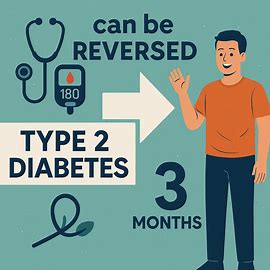
Can Type 2 Diabetes Be Reversed in 3 Months?
The three-month mark gets talked about a lot, especially in online challenges and programs. The science suggests that, in certain situations, significant improvements—or even remission—can happen within 3 months if changes are made quickly and consistently. Programs like the DiRECT trial in the UK used very low-calorie diets combined with lifestyle counseling, and some participants got their blood sugars under control within weeks.
For most people, seeing a big drop in blood sugar and possibly reducing or stopping diabetes medications can definitely happen in three months. Complete reversal (sustained healthy blood sugar without drugs) tends to take at least a few months to a year, depending on starting weight, how strict you are with habits, and how much the pancreas has recovered. Always involve your healthcare provider. It is not safe to stop medications cold turkey, but working with your doctor lets you adjust safely.
Does Losing 20 Pounds Really Reverse Diabetes?
Losing 20 pounds can be a total game changer for a lot of people. Research shows that even modest weight loss (about 10-15 pounds, or roughly 5-7% of your starting weight) can improve insulin sensitivity, reduce blood sugar levels, and ease the workload on your pancreas. For someone with 50-100 pounds to lose, dropping the first 20 can put you on the right path fast, and sometimes lead to remission.
Plenty of folks in diabetes support circles and clinics have hit remission targets after losing 20 pounds, especially if they were recently diagnosed and made several healthy lifestyle tweaks at once. The sooner you catch diabetes after diagnosis, the better chance your organs respond. For people who are further along their diabetes adventure, even if complete reversal does not happen, losing weight still brings other perks like lower blood pressure and better cholesterol.
Smart Steps for Reversing Diabetes Safely
Trying to reverse diabetes takes some planning, and it is always safer with medical supervision. Here are some practical ways to start:
- Talk With Your Healthcare Team: Work with your doctor or diabetes educator to put together a solid plan. They can help you set realistic goals, adjust your medications as needed, and track your progress.
- Monitor Blood Sugar Regularly: Checking your numbers frequently helps you see what is working (and what is not) so you can make quick improvements. Modern glucose meters or continuous monitors can make this easier than ever.
- Make Food Swaps, Not Rigid Rules: Swapping out sugary snacks and white bread for whole grains, veggies, and healthy proteins makes meals feel more satisfying and keeps blood sugar steadier. Try new recipes to bring some variety and keep things interesting.
- Add More Activity—Even Small Bits Count: Walking, dancing, stretching, or household chores all add up. It is not about marathon training; it is about moving more than you did last week and celebrating every win.
- Tackle One Change at a Time: Trying to overhaul everything overnight can feel overwhelming. Picking one thing to focus on, like drinking water instead of soda, feels more doable and helps build confidence for the next goal.
Potential Roadblocks and How to Handle Them
- Cravings and Eating Out: Keeping healthy snacks nearby and scanning menus for lean protein and veggie options can help. Preparing ahead lets you feel more in control during social events or busy days.
- Motivation Drops: Some days will feel easier than others. Tracking your progress, even with small wins like an improved test reading or meal choice, helps you stay motivated. Find a support group or a friend who understands your adventure for extra encouragement.
- Confusing Test Results: Blood sugar naturally fluctuates. Watching for overall trends over several weeks gives a better picture than reacting to a single high or low reading. Do not stress about one off day—look at the big picture.
- Medication Adjustments: As blood sugar improves, your doctor might need to lower your dose or stop medications. Remember, it is never a do-it-yourself move, so keep them in the loop every step of the way.
Diabetes Remission Myths: What You Need to Know
There is a lot of buzz online about “cures” for diabetes. The truth is, for type 2 diabetes, the core strategy always circles back to healthy habits. There is no quick cure. Some supplements might help, but nothing replaces the basics: healthy food, regular exercise, weight management, and following your doctor’s plan. For type 1 diabetes, reversal is not currently possible, and while science is always making leaps, managing it well is still key.
Common Questions About Reversing Diabetes
What is the quickest way to reverse diabetes?
The fastest results usually happen when people focus hard on healthy eating (especially low-carb diets), increase physical activity, and, if overweight, lose even a small amount of body weight. Some achieve near-normal blood sugar in just weeks with medically supervised rapid weight loss programs, but these should always be guided by a doctor.
Has anyone successfully reversed diabetes?
Yes, plenty have. Clinical studies and real-world stories prove it is completely possible for type 2 diabetes, especially soon after diagnosis. Remission means keeping blood sugars normal without the need for diabetes meds, but it requires sticking with healthy habits.
Can you reverse type 2 diabetes in 3 months?
For some, yes, especially if the diabetes was caught early and lifestyle changes are made right away. Many see huge improvements or even remission in three months on intensive programs, but steady results matter more than strict deadlines. Keeping up with changes over time is what truly matters for long-term success.
Can losing 20 pounds reverse diabetes?
Losing 20 pounds often makes a real difference in blood sugar and insulin sensitivity. Some people hit remission after losing that much weight, especially if they recently got their diagnosis. Even if it does not lead to full reversal, losing weight brings loads of health perks, making day-to-day life feel a lot better.
What to Remember Going Forward
Reversing diabetes is truly an adventure, full of small steps and steady wins. Small choices every day make a huge impact over time. Trust in habits that fit your life, not just quick fixes or miracle cures. With support, education, and determination, a lot of people have brought their blood sugar back to healthy ranges and kept it there. You can do it too—one step at a time.
www.wealthyaffiliate.com?a_aid=0d9cb408
Please check out the links below for additional relative information:
The article does a good job of clarifying what “reversal” or “remission” means in the context of Type 2 diabetes, which is defined as getting blood sugar levels into a non-diabetic range without medication. This distinction is crucial and helps manage expectations.
The article mentions the need for medical supervision with rapid weight loss programs. You could focus on the different types of rapid weight loss plans available and how individuals can work with their doctors to determine which, if any, is a safe and effective option for them.
Thank you for your Comment, Sean. I have found personally that Januvia helps in significant weight loss. Januvia has kept my A1C levels at the 7-8 range (still a little high), but before beginning Januvia about a year ago, my A1C was pretty much in the 10-12 range. Also, with Januvia, I have lost 18-20 pounds, which I attribute Januvia partly to the weight loss (better awareness of healthy diets, etc. too.). Always check with your medical professional or diabetes specialist for your personal situation. Thank you again for your Comments.
Best wishes,
Kent
Your focus on sustainable dietary changes and regular physical activity as foundational steps provides a clear and actionable path forward. The explanation of how insulin sensitivity improves with consistent lifestyle adjustments turns a complex biological process into something manageable.
People often focus solely on blood sugar numbers without realizing how much stress management and sleep quality also contribute to metabolic health on a daily basis.
You mentioned the role of fiber-rich foods in managing glucose levels. Are there particular types of fiber or specific foods you’ve seen deliver the most noticeable results? Also, for someone just starting, how do you recommend balancing dietary changes with adding physical activity to avoid feeling overwhelmed?
Thank you for your Comments. There are many variables in controlling one’s blood sugar levels. One of the crucial areas for controlling blood sugar levels is the role of fiber-rich foods. One important word in fiber-rich foods is soluble. Soluble fibers are popular in lowering one’s cholesterol along with aiding in blood sugar control. Some useful soluble fiber sources include oats, barley, lentils, black beans, split and chickpeas, and even avocados. But for someone just starting in this process, it is still recommended to consult a medical doctor or diabetes professional first. Thank you again for your insightful Comments.
Best wishes,
Kent