Diabetes management looks very different for everyone, and that is what makes personalized care so important. Everyone’s type of diabetes, lifestyle, health background, and even preferences shape the best plan going forward. My goal here is to walk you through the basics and practical steps for building a diabetes management approach that actually fits real life, not someone else’s blueprint.
Your Diabetes Type and How It Impacts Your Plan
There are three main types of diabetes: Type 1, Type 2, and gestational diabetes. Knowing your type shapes everything from the tools you use to the kind of medicine, food plan, and tracking that works best. Here is a breakdown of each type and what you might want to think about if you or someone you care for is living with it.
- Type 1 Diabetes: This usually means your body does not make insulin, which is why insulin therapy is typically involved from the start. It is not tied to diet or weight, and it can show up at any age.
- Type 2 Diabetes: Most people with diabetes have this type. The body either stops responding to insulin well or does not make enough. It is often managed with lifestyle tweaks, sometimes pills, and sometimes insulin.
- Gestational Diabetes: This shows up during pregnancy and usually goes away after delivery, but it is important to keep a close eye on for the health of both mom and baby.
The idea is to tailor care right from the start. Just because Type 2 is common does not mean every person with it should manage it the same way. Your current health, age, and how long you have had diabetes factor into what comes next. There are also cases of rare forms like MODY or LADA, which might need a slightly different approach, so asking your doctor about your specific diagnosis can be really important if your care does not fit the usual patterns.
Setting Personalized Blood Sugar and A1C Goals
Your blood sugar goals and A1C targets should be set with your healthcare provider, but knowing what these numbers mean can help you stay more in control day-to-day.
- Blood Sugar (Glucose) Targets: This is usually set as a range for fasting (before meals) and after meals. For many adults, fasting goals land around 80 to 130 mg/dL, and under 180 mg/dL 1 to 2 hours after eating. Your targets may change depending on your age or other health concerns.
- A1C Goals: The A1C blood test gives you an average of blood sugar over the past 2 to 3 months. A common goal is below 7%, but for some, staying below 6.5% or even up to 8% is better, especially for older adults or those with other health issues.
Getting your numbers right might mean making adjustments over time. What is right for a newly diagnosed 30-year-old can look different for someone managing complications or other health issues. These targets help you work toward long-term health while keeping things realistic for your current routines and challenges.
Monitoring Glucose: Choosing the Best Fit for You
Keeping tabs on blood sugar is super important, but the best monitoring tool is the one you will actually use. There are two main types to know about:
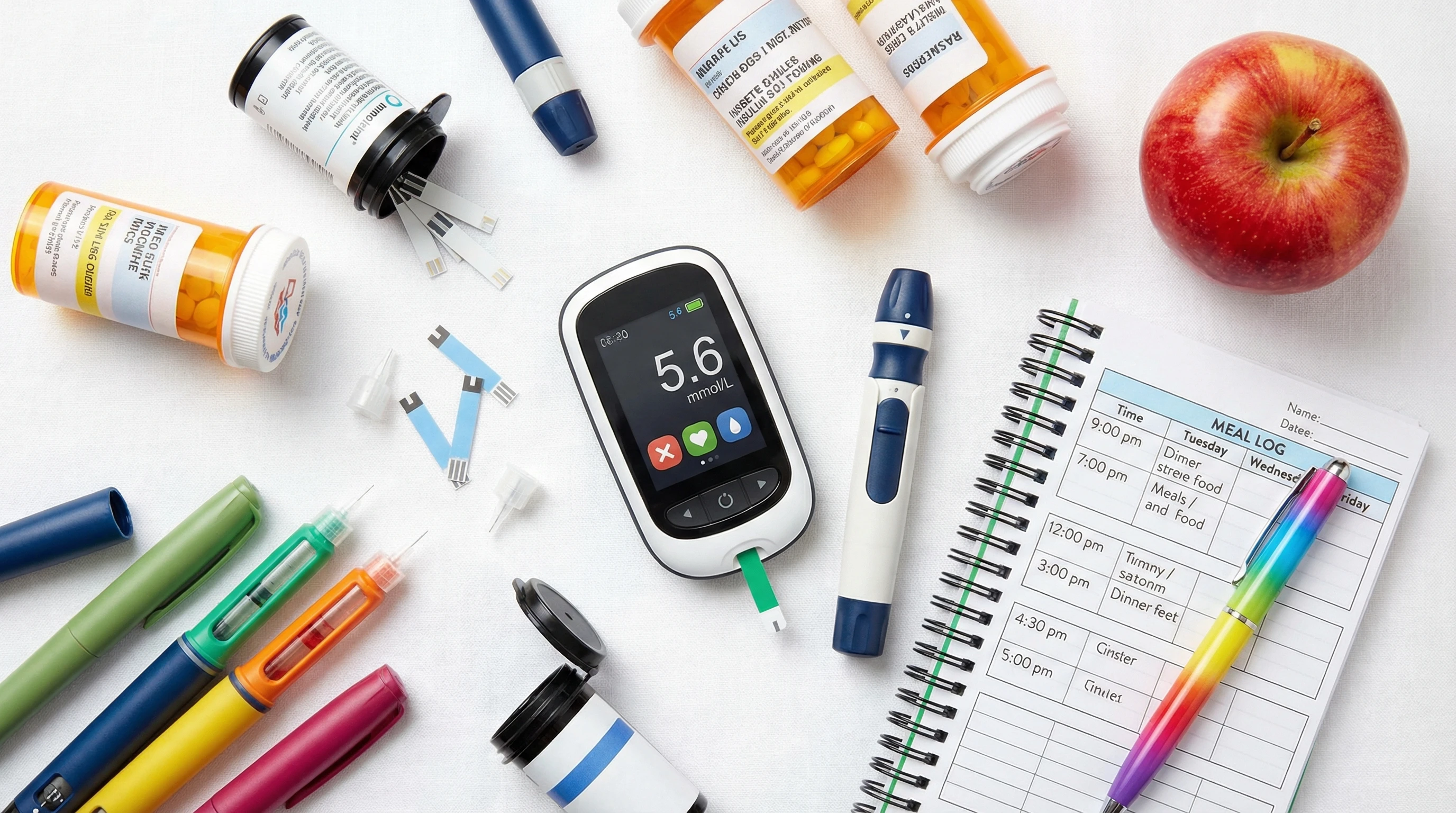
- Fingerstick Glucose Meter: This classic option uses a tiny drop of blood, which you place on a test strip. The meter gives you an instant reading. It is portable and costs less up front. The catch is finger pricks, which some find annoying. For many, this means checking at least once a day and sometimes more often if you use insulin or want tighter control.
- Continuous Glucose Monitor (CGM): CGMs use a small sensor worn under your skin (usually the arm or belly) to check glucose every few minutes. You can see patterns on a connected app or hand-held reader, making it easier to spot changes you might otherwise miss. CGMs are a great option for those using insulin or who want lots of data, but do tend to cost more.
If you are newly diagnosed or not on medication that can cause low blood sugars, finger-sticks can work fine. If you are on insulin, experience frequent lows, or want the full picture, talking to your doctor about getting a CGM is a smart move. Some people also mix and match—using a CGM most days but relying on finger-sticks while traveling or for double-checking results.
Medication and Insulin: Figuring Out What Is Right
Whether or not you will need diabetes medicine is tied to your type, your blood sugar patterns, and sometimes how your body responds to lifestyle changes. Here is what to definitely consider:
- For Type 1: Insulin is basically always needed. Different kinds of insulin have their pros and cons. Long-acting types work in the background, while rapid-acting cover meals. Newer insulin pumps and smart pens give more flexibility and can cut down the mental load, reducing how many injections you need and sometimes connecting to CGMs for automatic adjustments.
- For Type 2: Some people manage with food changes and movement, but many add pills (like metformin), injectables (like GLP-1 receptor agonists), or insulin if blood sugars stay high. Each medication has its own tradeoffs. Some may cause weight gain, stomach upset, or, for insulin and a few others, possible low blood sugar. The upside is many new options help with weight and heart health too.
- For Gestational Diabetes: Sometimes, eating differently and moving more does the trick, but insulin might be needed if blood sugar does not hit the right range. The good news is most medicine used for pregnancy has been studied for safety, especially insulin.
Deciding on medications or insulin is rarely just a one-time choice. Side effects, cost, and how well something works matter just as much as the label. Always flag any new symptoms or issues so your provider can help make timely changes. If medications do not seem to fit into your day—for example, if you keep forgetting a lunch dose or have trouble with side effects—bring this up with your healthcare team so they can help you adjust your plan. 
Understanding and Managing Complication Risks
Living with diabetes means keeping an eye on potential complications, even if you feel fine. Blood sugar out of range for a long time bumps up your risk for a few main issues:
- Heart and Blood Vessel Problems: Having diabetes means extra risk for heart disease and stroke. That is why care plans often add in blood pressure and cholesterol checks, and sometimes medications, on top of sugar management.
- Kidney Issues: Too much sugar in the blood over years can strain the kidneys. Getting regular urine and blood tests can catch trouble early, and keeping up with your plan helps protect these organs long-term. If you have already been diagnosed with some kidney changes, your provider might change certain medications to limit further strains.
- Eyes (Retinopathy): Damage to tiny blood vessels in the eyes can sneak up without any symptoms. Yearly eye exams are super important because catching problems early means much better outcomes.
- Foot Problems: Nerve issues (neuropathy) and lower blood flow make it easier to miss an injury or infection. Daily foot checks and good shoes can help stop small problems from turning into big ones. Report wounds or redness to your doctor fast, and keep toenails trimmed to reduce snagging and cuts.
Prevention goes a long way. Sticking to your personalized goals for glucose, blood pressure, and cholesterol paired with checkups seriously lowers these risks. Even if a complication is found, it is often manageable and does not mean you have failed. It just means you and your team can get to work on protecting your health going forward.
Tips to Make Personalized Care Work for You
Diabetes care is personal, and a few tweaks can make living with it a lot smoother. Here are some tips that are extremely helpful (sometimes learned the hard way!):
- Use a Log or App: Recording your blood sugar, meals, exercise, and medicine—even just for a week—can reveal what is working and what needs adjustment. Visualizing these trends helps spot patterns, like certain foods or times of day leading to higher numbers.
- Get Clear on Your Numbers: Keep a cheat sheet (on your phone or paper) with your targets, current medications, and signs of high/low blood sugar. It is handy for appointments and in everyday life. This is especially useful when you are seeing a temporary provider or end up in the ER.
- Lean on Your Team: Do not wait for problems to get big before asking questions. Dietitians, certified diabetes care specialists, and pharmacists can all offer extra support. Your friends and family, once they know your preferences, can also help remember supplies or encourage healthy choices.
- Adjust, Do Not Give Up: Your plan can and should change over time. Whether you want to try new foods, add different workouts, or experiment with new devices, bring it up to your medical professional so you can switch things up as needed.
- Kits and Carry Bags: Having a small, organized kit with your glucose meter, strips, snacks for lows, and meds keeps you ready for whatever comes up. A water bottle, a copy of your prescription, and an emergency contact card add extra peace of mind.
Frequently Asked Questions on Personalized Diabetes Management
What type of diabetes do I have and how advanced is it?
Getting an official diagnosis with blood tests is the first step. Type 1 usually shows up younger, while Type 2 often comes later or after years of insulin resistance. Gestational diabetes is linked to pregnancy. Your doctor can help you get a sense of your own stage based on lab results and any complications. If you have an unusual presentation, you can ask about antibody testing or additional lab work to clarify your diagnosis.
What are my personalized blood sugar (glucose) targets and A1C goals?
This is best talked over with your provider, but general targets exist as a starting place. They will look at your age, diabetes type, and other health factors to help set ranges that work for you. Over time, expect your targets to shift as your health changes, so revisit these numbers with each checkup.
What kind of glucose monitor do you recommend, and how often should I check?
If you do not take medicines that cause lows, finger-sticks once a day or even less may be enough. Insulin users and those with frequent swings or during pregnancy could benefit from a CGM. Ask about what fits your routine, insurance coverage, and ability to use the device regularly. Also, see if your healthcare team can provide a trial run with different devices before you pick one for regular use.
Do I need medication or insulin, and what are some pros and cons?
Not everyone starts with meds, but most people with Type 1 use insulin. Pills or noninsulin injectables work for Type 2 if food and movement alone are not enough. Each raises or lowers risks for side effects, such as low blood sugar or stomach issues, and may affect weight. Bringing up preferences and past reactions to meds can guide your choices. Keep in mind, some insurance plans may only pay for specific brands, so talk about what is realistic for you financially as well as medically.
What are the risks of complications (heart, kidney, eye, foot problems)?
Long-term high sugar, blood pressure, or cholesterol can cause trouble in these areas. Regular checkups and keeping up with your goals really cut down the risk. Doing daily foot checks, getting labs and eye exams, and following up with your care team all make a big difference. If you notice new symptoms like vision changes, numbness, or swelling, call your provider sooner rather than later.
Final Thoughts on Making Diabetes Care Your Own
Personalized diabetes management is about figuring out what tools, medicines, and routines fit your life, not just what works in a textbook. Your needs can—and likely will—change, so staying curious and flexible helps a lot. Learning more, speaking up at appointments, and celebrating wins, both big and small, all help keep things moving in the right direction. The more you tailor your approach and bring the people around you into the loop, the smoother things can get. Stay open to new options and remember: it’s your ride, and you get to choose what works best for you.
www.wealthyaffiliate.com?a_aid=0d9cb408
This post is a breath of fresh air because it finally says the quiet part out loud: there is no such thing as a “standard” diabetic. ????✨
As a millennial who is used to everything being personalized—from my Spotify Wrapped to my skincare routine—it’s wild that medical advice has stayed “one-size-fits-all” for so long. Every body is a different chemical laboratory! What sends my blood sugar to the moon might not even move the needle for someone else, and this post perfectly captures that nuance.
Thank you for your Comments, Leah. I appreciate that you feel this post is a breath of fresh air for you. Medical advice has stayed “one-size-fits-all” for so long, but that phrase does not fit the diversity of diabetes management. Each person diagnosed with any form of diabetes will certainly have different components of diabetes to manage compared to another person. Each case WILL be different. Thank you again for your Comments.
Best wishes,
Kent
I really appreciate your emphasis on tailoring diabetes management to real life instead of trying to force a one-size-fits-all plan. In my experience supporting a family member with Type 2 diabetes, the biggest improvements came not from dramatic overhauls but from small, personalized adjustments to monitoring, meals, and medication timing that actually fit their daily routine. I also agree that staying flexible and keeping open communication with the healthcare team makes a huge difference over time, especially as needs and goals naturally evolve.
Thank you for your Comments, Aly. I appreciate that you mentioned that small, personalized adjustments to meals, medications, etc. improved your family member’s Type 2 diabetes management. Also, keep in mind any “small” victories and improvements are very valuable. You are so correct that keeping open communication with the healthcare team is very important. I hope and pray that your family member continues to improve with his/her diabetes condition. Thank you again for your thoughtful comments.
Best wishes,
Kent