Living with diabetes means keeping a close eye on what you eat, especially when it comes to carbohydrates. Carbs always seem to grab center stage, right? After reading plenty about low-carb diets for diabetes, I am going to break down what really matters if you are thinking about giving this approach a go. If you are curious about smart food swaps, meal planning tips, and real advice from health experts, you will find this helpful.

Understanding Low-carb Diets for Diabetes
A low-carb diet for diabetes is basically a way of eating that helps you keep your blood sugar in check by cutting back on foods that raise it quickly, like bread, pasta, sweets, and sugary drinks. Instead, meals focus on proteins, veggies, healthy fats, and fruits like berries. Managing carbs is not about skipping them completely; it is about smart choices and the right amount for you.
The American Diabetes Association (ADA) notes that low-carb diets can benefit people with type 2 diabetes, and sometimes for those with type 1, if it is handled carefully. While the ADA does not lay down firm carb limits for everyone, they point out that less carb-heavy eating can help boost blood sugar control for many people. Always check in with your healthcare team before any major changes to be sure you are covered. (ADA Nutrition Guidance)
How Many Carbs Should a Diabetic Have a Day?
This is the question almost everyone asks at the start. There is no single answer, since everyone’s body reacts a bit differently. Most guides from registered dietitians and diabetes groups suggest low-carb plans for diabetes with around 70 to 130 grams of net carbohydrates per day. Some people go even lower, while others need more to stay satisfied and energized.
Net carbs are what you get after subtracting fiber from the total carbs, since fiber does not spike your blood sugar the same way. Pay attention to how you feel, how your blood sugars respond, and your healthcare provider’s advice. While some folks thrive at 100 grams, others need to make tweaks as they figure things out.
Choosing the Best Low-carb Diet for Diabetes
The best low-carb diet for diabetes is the one you can honestly stick with—one that fits your body, daily routine, and what you like to eat. Here are a few popular options:
- Moderate Low-carb: 100-130 grams of net carbs per day. Simple to stick with over time, with lots of veggies, protein, and maybe the occasional whole grain.
- Very Low-carb or Ketogenic: Usually under 50 grams net carbs daily, focusing on protein, leafy greens, and healthy fats. Only a little fruit or starchy veggies are allowed. If you are using insulin or blood sugar-lowering meds, this needs careful doctor supervision for sure.
- Custom Approach: Adjusting carbs per meal, focusing on whole foods, and using a blood glucose meter to spot which foods cause spikes with your unique biology.
The ADA always recommends individualizing your meal plan instead of trying to fit into some “right” number for everyone.
Best No-carb Foods for Diabetics
At times you want a snack or a meal that won’t create blood sugar drama. Pure protein and fat foods fit the bill perfectly. Some favorite picks include:
- Eggs: Super-versatile: great for breakfast, snacks, or as an addition to salads.
- Cheese: Most hard cheeses have so few carbs, they are practically no-carb.
- Meats & Fish: Chicken, beef, turkey, pork, salmon, and tuna, as long as they are unsweetened and un-breaded, contain zero carbs.
- Oils and Butters: Olive oil, avocado oil, and butter have no carbs at all.
- Plain Nuts and Seeds: While they have minor carbs (mainly fiber), they do not usually spike glucose. Walnuts, pecans, and chia seeds are some staples in my pantry.
Most leafy greens and non-starchy veggies like spinach, cucumbers, and broccoli are very low in carbs—basically no-carb for many people. These also pack vitamins and fiber to help you stay full and energized.
Low-carb Breakfast Ideas for Diabetics
Breakfast gets tricky if you love toast or cereal. After lots of taste tests, here are some breakfasts that can fill you up for hours without wreaking havoc on your blood sugar:
- Veggie Omelet: Eggs cooked with spinach, peppers, and some shredded cheese in a bit of olive oil.
- Greek Yogurt Bowl: Go for plain, full-fat Greek yogurt, stir in a handful of berries, and top with a sprinkle of chopped nuts. Stevia or monk fruit can add a little sweetness without a carb overload.
- Egg Muffins: Beat eggs, mix with diced veggies and cheese, pour into muffin tins, and bake. They are ideal for meal prep and busy mornings.
- Cottage Cheese Plate: A scoop of cottage cheese, sliced tomato, and a handful of walnuts makes for a filling plate.
- Smoked Salmon Plate: Smoked salmon with cucumber slices and a little cream cheese is luxurious, yet easy.
Combining protein and healthy fats really helps keep blood sugar steady, so there is no up-and-down after eating. 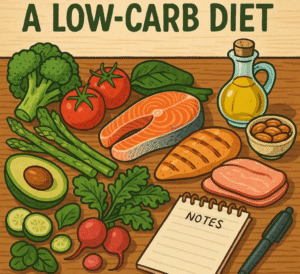
Getting Started With Low-carb Eating
Moving to a low-carb diet does not require tossing all your food. Take it step-by-step. Swap bread for lettuce wraps, trade rice for cauliflower, and pick roasted nuts or cheese sticks as snacks. Whole foods are the star of a good low-carb diet—think grilled chicken, stir-fried veggies, nuts, quick salads, and proteins with simple sauces like pesto or a yogurt dip.
Meal planning can make things much easier. When my week looks busy, I prep a couple easy low-carb meals in bulk, such as egg muffins, a big sheet tray of roasted chicken and vegetables, and some chili with ground turkey and peppers. These last for days in the fridge and keep me from reaching for quick but “carby” foods.
Common Challenges and How to Beat Them
- Missing Favorite Carbs: Check out replacements like zoodles, cauliflower pizza crusts, or cloud bread.
- Feeling Low Energy at First: Some people feel wiped out the first week. Make sure you are eating enough total food and drinking plenty of water—a little extra salt may help too.
- Social Situations: Bring your own low-carb dish to gatherings, or order protein and veggie options when eating out. Most restaurants are fine swapping fries for a side salad if you ask.
It helps to check your blood sugar more often when starting a low-carb diet. This lets you catch what works and spot any surprises. Seeing steady numbers is super motivating and can really give you a boost.
ADA’s Perspective and Medical Credibility
The ADA says that eating fewer carbs can help manage blood sugars and may even mean less medication for some. They push for meal plans that are nutritious, genuinely satisfying, and sustainable—low-carb approaches can totally fit that. (ADA on Carb-Counting)
If you take insulin or meds that lower blood sugar, a quick carb drop can sometimes trigger lows (hypoglycemia). Always talk to your provider before major carb cuts so doses can be adjusted and dangerous dips avoided.
Real-World Experience: What Works Best
I have experimented with both moderate and stricter low-carb eating. What seems to stick best for me—and for many others I have chatted with—is somewhere in the 90 to 120 grams per day range. This keeps things like blueberries in my yogurt, a little dark chocolate for dessert, and roasted root vegetables on the menu. You still get great blood sugar control but don’t feel deprived. If things ever feel tricky, get in touch with a certified diabetes educator or a dietitian. Their support can be a gamechanger for fine-tuning your plan.
Frequently Asked Questions
What is the best low-carb diet for diabetes?
The best plan is one that fits your tastes and real life, while keeping your blood sugar in range. Most people do well with 90-130 grams net carbs a day, mostly from veggies, lean protein, nuts, and an occasional piece of fruit. Ketogenic diets (20-50 grams/day) are more restrictive and really need regular doctor check-ins for safety.
How many carbs should a diabetic have a day?
Experts commonly recommend between 70 and 130 grams of net carbs each day, but some folks need more or less, depending on their activity, medicine, and blood sugar response.
What can a diabetic eat that has no carbs?
Eggs, cheese, meats, fish, poultry, oils, and most leafy greens are almost carb-free and are go-to choices for steady blood sugar.
What is a good low-carb breakfast for a diabetic?
Top options include veggie omelets, Greek yogurt bowls, smoked salmon plates, and cottage cheese paired with nuts and tomatoes.
Wrapping Up
Low-carb diets for diabetes really are easier when you keep meals simple, focus on whole foods, and let your blood sugar readings guide you. Finding the amount of carbs that matches your lifestyle makes everything from meals out to home-cooked dinners easier and more enjoyable. A plan that is tailored to you is always best, and seeing even, steady blood sugar is both rewarding and motivating.
If you want more practical info and meal tips, check out the American Diabetes Association website—they have a ton of helpful tools and guides to keep you on track.
https://www.wealthyaffiliate.com?a_aid=0d9cb408
Please check out the links below for additional relative information:
This article really nailed the balance between practical advice and medical guidance when it comes to low-carb diets for diabetes. I like how it emphasized flexibility rather than a strict one-size-fits-all number since everyone’s body reacts differently to carbs. The real-world examples of meals and swaps made it feel doable instead of overwhelming, which is often the hardest part of diet changes. Personally, I think the moderate low-carb approach feels more sustainable for most people compared to super-restrictive keto. Do you find that most people stick to moderate carb reduction long term, or do some manage to sustain very low-carb/keto for years?
Thank you for the Comments and question, Kavitha. Diet changes can be very overwhelming to many people, so that is one good reason to always consult your medical doctor or diabetes professional. Keto diets are good in that some people have not only reported rapid weight loss, but it curbed their appetites in general. But what I am more confident with is what you mentioned: Moderate, flexible low-carb diets that also concentrate on managing caloric intake are far more sustainable. Thank you again for your responses.
Best wishes,
Kent
This was such a clear and practical breakdown of low-carb eating for people with diabetes! I like how you balanced expert guidance with real-world tips—like swapping bread for lettuce wraps or prepping egg muffins ahead of time. The meal ideas and snack suggestions make it feel much more doable for everyday life, not just theory.
One thing I was curious about—have you found that people sticking to the stricter end of low-carb (like keto) tend to see longer-term success, or do most do better with the moderate, more flexible approach?
Thank you for your Comments and question, Jenny. There are many reports of people not only losing weight with keto diets, but losing weight rapidly. Melinda Ring, MD, Director of Northwestern Medicine Osher Center for integrative Health states, (and I quote), “People also report feeling less hungry with keto than on any other types of restricted diets”. (Unquote). But we must remember that long-term fat loss depends on sustained caloric deficits and metabolic adaptation. Thank you again for your informative Comments.
Best wishes,
Kent