Managing hyperglycemia can feel daunting, especially if you are just beginning to figure out what works for you. Whether you are living with diabetes or just looking for better blood sugar control, understanding hyperglycemia and knowing how to manage its symptoms really pays off in the long run. I am breaking down the basics of symptom management for hyperglycemia—including the classic 4 P’s, what the first line treatments usually involve, and how to respond if things turn into an emergency.
Understanding Hyperglycemia and Its Symptoms
Hyperglycemia is just the medical way of saying “high blood sugar.” Blood sugar typically becomes “high” when it climbs above 180 mg/dL (10 mmol/L) after eating or above 130 mg/dL (7.2 mmol/L) before a meal. Most people experience high blood sugar if the body cannot use insulin efficiently or there is not enough insulin around.
The symptoms can sneak up on you; sometimes they are very mild at first, then get more uncomfortable as blood sugar climbs. Here is what usually pops up:
- Feeling really thirsty all the time
- Needing to urinate more frequently
- Fatigue or feeling unusually tired
- Blurred vision
- Headaches
- Slow healing cuts or scrapes
- Unintended weight loss (especially if blood sugar stays high for a while
Even though these signs show up with hyperglycemia, sometimes they are easy to miss or might be written off. For people with diabetes, keeping a close eye on symptoms and regular glucose checks go a long way toward catching things early. Mild symptoms can sometimes go unnoticed if you are not actively checking your glucose levels, so it is important to know what your normal range is and how your body feels when numbers start to climb.
The 4 P’s of Hyperglycemia
I find the “4 P’s” a handy way to remember the most common symptoms of high blood sugar. Medical professionals use these to spot trouble fast:
- Polyuria: Needing to urinate a lot more than usual
- Polydipsia: Feeling constantly thirsty
- Polyphagia: Feeling extra hungry, even after you have eaten
- Pruritus: Feeling itchy skin, often from dehydration or yeast infections
If you have ever wondered why you are running to the bathroom all day, chugging water nonstop, or feeling hungry but not satisfied, the 4 P’s help explain what is going on when blood sugar is high. Persistent symptoms should prompt a check in with your healthcare provider, especially if new or worsening. Tracking when these symptoms occur can help you and your care team fine-tune your management strategies.
Everyday Management of Hyperglycemia
Managing hyperglycemia is mostly about prevention and quick response. Always focus on these basics since they work for people with type 1, type 2 diabetes, or anyone trying to manage blood sugar swings. Here are some go-to steps:
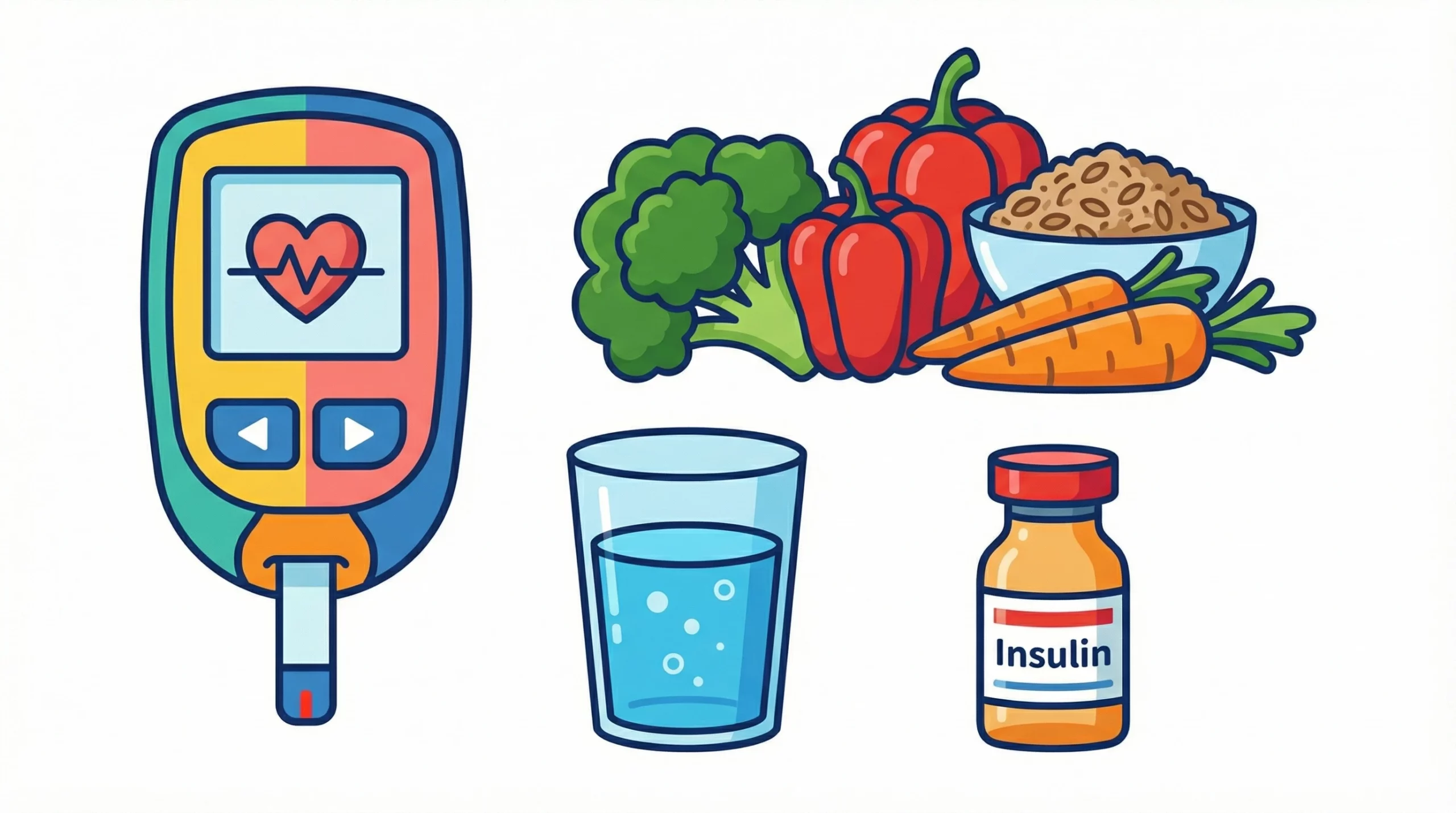
- Track your blood sugar: Check your glucose regularly, especially if you are feeling off. Knowing your numbers helps you spot spikes early.
- Take your meds as prescribed: Insulin or oral medications are often needed, but they only work if you stick with the plan your healthcare provider set up.
- Choose balanced meals: Carbs are not “bad,” but knowing how different foods affect you is super useful. Aim for nutrient-rich carbs combined with protein and healthy fats to keep things stable.
- Stay active: Even a short walk after meals can help lower post-meal spikes.
- Drink water: Hydration helps flush out extra sugar through urine. It does not fix everything, but it supports the body when sugar climbs.
- Manage stress: Easier said than done, but stress can actually push blood sugar higher. Mindfulness, breathing exercises, or hobbies are great tools to try. Remain positive.
- Adjust routines if you are sick: Illness can throw a wrench in blood sugar control. When you are not feeling well, check your blood sugar more and talk to your doctor about adjusting meds if needed.
Getting the basics right does most of the heavy lifting when it comes to avoiding bigger problems down the line. Developing habits around these basics makes it easier to spot patterns in your blood sugar and tweak your approach as needed. For added support, consider working with a diabetes educator who can help tailor tips to your lifestyle and needs.
If your blood sugar is just a bit higher than usual but you are not feeling really sick, first steps are practical:
- Drink water to help clear out glucose
- Take a short walk or do gentle activity (as long as your doctor says it is safe)
- Double-check your meds to see if you missed a dose or need to change your plan
For people on insulin, sometimes a correction dose is needed. This is best done following specific guidance from your healthcare provider so you do not end up dropping your blood sugar too low. If you are not sure about your next step, it is recommended to reach out to your care team for advice. Additionally, monitoring how quickly your numbers change after these interventions can help you and your healthcare provider decide if adjustments are needed to your everyday care plan.
Sometimes high blood sugar becomes really severe; this is where you step up your response. Emergencies can pop up pretty quickly, especially if blood sugar keeps climbing or if it gets into the “over 250 mg/dL (13.9 mmol/L)” territory. Watch for these danger signs:
- Shortness of breath
- Abdominal pain or vomiting
- Confusion or trouble focusing
- Fruity-smelling breath (a sign of ketones)
- Rapid heartbeat
This can signal diabetic ketoacidosis (DKA), which is more common in type 1 diabetes but can happen to anyone. If you or someone you are with shows any of these symptoms, go to the emergency room right away. Quick treatment can prevent dangerous complications. Do not hesitate—waiting too long can increase risks. Make sure you have emergency contacts handy and let loved ones know what to watch for if you are at higher risk.
Emergency treatment usually involves:
- IV fluids to correct dehydration
- IV insulin to gradually bring blood sugar back down
- Electrolyte replacement to fix imbalances (low potassium is common in severe cases)
- Careful monitoring for any other complications
Trying to “fix” severe hyperglycemia at home is NOT safe. Hospital care is needed to safely correct the imbalance and support the body through recovery. After an episode, talk with your care team to map out strategies for avoiding emergencies in the future, including recognizing early warning signs and when to seek help.

Common Challenges with Hyperglycemia Management
Most people run into a few roadblocks when trying to keep blood sugar in range. Here is what often happens, so below are some some simple ways to deal with those situations:
- Forgetting meds: Setting reminders on your phone or using a pill organizer is very handy.
- Unpredictable meals: Planning snacks and meals ahead helps avoid sudden carb overload.
- Low activity levels: Adding a bit of movement, such as post-dinner walks or stretching breaks, can make a difference.
- Sick days: Blood sugar can rise even if you are not eating much. Check your glucose more often if you are under the weather and check for ketones if blood sugar stays high.
- Travel or changes in daily routine: Try to keep meal times, activity, and medication on schedule as much as possible.
Staying prepared helps you avoid surprises and bounce back if your numbers are not where you want them. It can also help to keep a written log of your blood sugar readings, symptoms, foods, and activities. This makes it easier to spot what triggers your spikes or lows, giving you more control over your day-to-day management.
Pro Tips and Everyday Strategies
Blood sugar management is not always smooth sailing, but a little preparation goes a long way. Here are a few tips I like to share:
- Keep glucose tablets, snacks, and a water bottle handy, whether you are going to work, the gym, or just running errands.
- A blood sugar tracking app can help you spot trends and make small changes before things spiral.
- Let family, friends, or coworkers know what to do if you develop severe symptoms so they are ready to get help if needed. This is very important!
- Get to know your personal “warning signs”; everyone is a little different, so watching for your own early symptoms will help you act sooner.
- Join a local or online diabetes support group. Sharing experiences and advice with others can provide emotional support and practical tips you might not stumble upon otherwise.
Making tracking and prevention part of your routine means you spend less time worrying and more time feeling your best. Stay open to tweaking your approach as you learn what works and what does not work; sometimes, small changes can make a big difference in your overall control and confidence when dealing with hyperglycemia.
Frequently Asked Questions on Hyperglycemia Symptoms and Management
What are ketones?
Ketones are natural chemicals that your liver produces from fat for energy when glucose (sugar) is not available, acting as a “backup fuel source” during fasting, low-carb diets (such as keto), or prolonged exercise. When ketones present a problem (Ketoacidosis), Diabetic Ketoacidosis (DKA) occurs with diabetes when there is not enough insulin, causing excessive ketone buildup and blood to become acidic and toxic.
What is the fastest way to lower my blood sugar if it is too high?
Drinking water and taking a light walk are the “go-to” first steps for mild highs. If you use insulin, follow your tailored correction plan. If you are having severe symptoms, get medical help.
Are the 4 P’s the only symptoms I should look for?
The 4 P’s are a good start, but things like blurry vision, fatigue, dry mouth, or unexpected weight loss are also important signs that blood sugar might be out of range.
How do I know if I need to go to the ER for high blood sugar?
If you have vomiting, cannot keep fluids down, have trouble breathing, or show signs of confusion, fruity breath, or severe weakness, it is time for emergency care. Quick response is really important.
Can hyperglycemia be managed without medication?
Some people with prediabetes or early type 2 diabetes can improve their blood sugar through diet, exercise, and weight management. For many, though, medications or insulin remain a key part of the puzzle. Regular follow-ups with your provider will help determine what mix of lifestyle and medical interventions is best for your individual needs.
Final Thoughts
Managing hyperglycemia symptoms is not about perfection. It is all about daily awareness and tiny adjustments. Staying on top of symptoms, having a plan, and reaching out for help if things get tough go a long way in keeping blood sugar where you want it. By making gradual changes and keeping a positive, flexible attitude, you will definitely find that symptom management gets easier and less stressful over time.
www.wealthyaffiliate.com?a_aid=0d9cb408
Thanks so much for this article! I really appreciated how clear it was. In my opinion, this is the kind of information that people living with diabetes actually need. Not just medical definitions, you know, but real explanations that help you recognize what’s going on in your body and respond without panic.
I think hyperglycemia is often underestimated. It doesn’t always feel dramatic at first, but it can quietly drain your energy, focus, and mood. I liked how you explained the symptoms in a way that feels relatable, because catching those early signs really matters in day to day life. Thanks again for spreading awareness!
Thank you for your thoughtful Comments, Kevin. Yes hyperglycemia is often underestimated very much in the sense that probably a lot of especially pre-diabetes people believe their “early signs” will go away. Actually, the sooner “early signs” are analyzed and managed, the better. Thank you again for your insightful comments.
Best wishes,
Kent
This post really resonated with me as someone who has worked in healthcare for many years. I particularly appreciated how it connected to the 4 Ps of hyperglycemia: polyuria, polydipsia, polyphagia, and unexplained weight loss. These are often the earliest signs we are taught to recognize, yet people frequently dismiss them in everyday life.
I have seen many patients normalize frequent urination or constant thirst without realizing what their bodies are signaling. Breaking these symptoms down, along with practical management tips, helps bridge textbook knowledge with real-life experience.
This kind of clarity can significantly impact early intervention and lead to better long-term outcomes.
Thank you for your Response, Leica. Yes, there are many symptoms of hyperglycemia that I am sure many people are not aware of or they apply to something else. Being pro-active with these symptoms early can easily minimize the situation significantly. One thing to remember is to not take for granted any possible symptoms but to consult your medical professional. Thank you again for your Comments.
Best wishes,
Kent